The History of Volterra
Part of our Social History of Art in Italy course is visiting places within Volterra and getting to know it, not only the cities in the surrounding radius. So, our main trips within Volterra were the Etruscan Museum, the Roman Theatre, and the Pinacoteca.
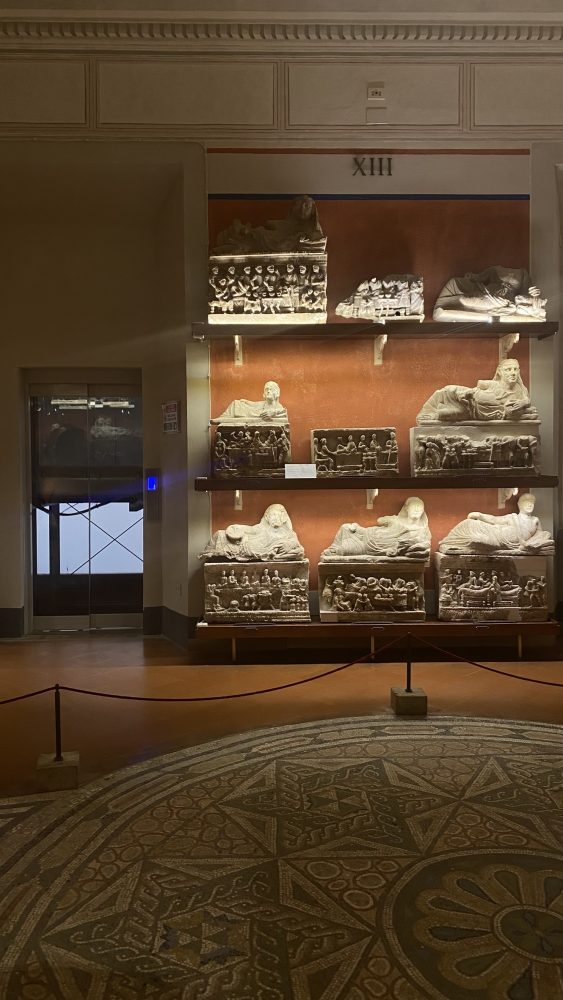
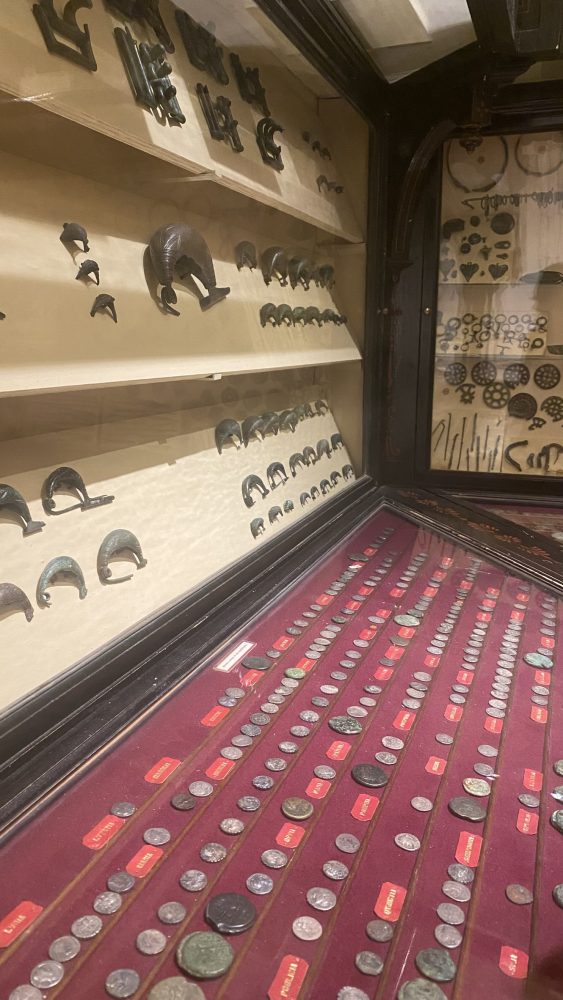
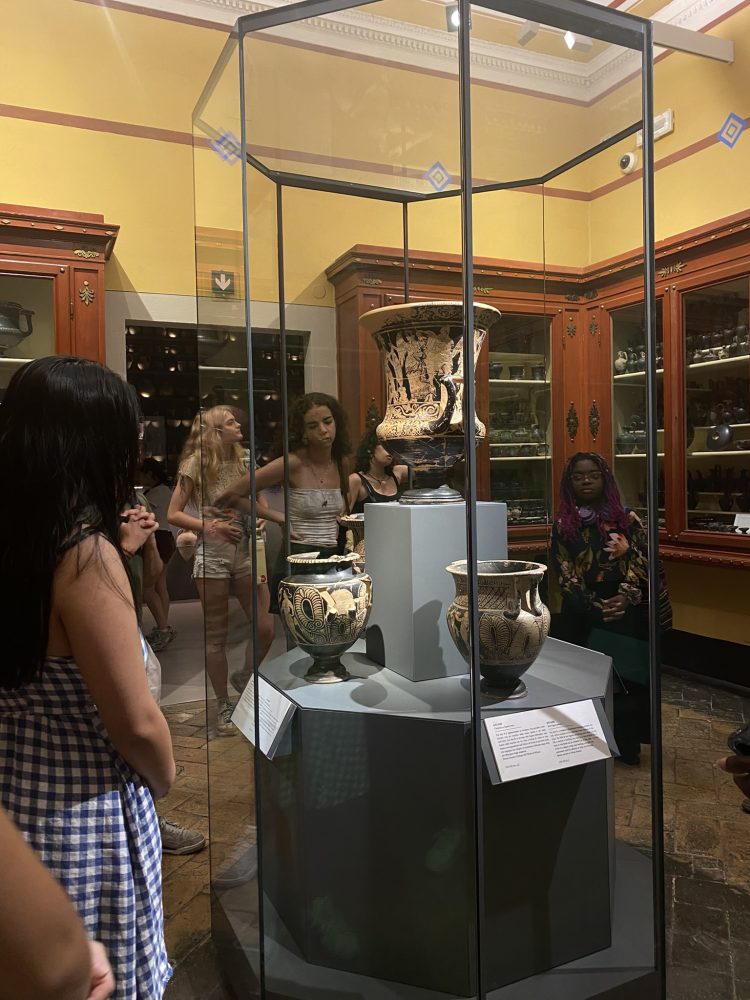
Volterra was a significant part of Etruscan civilization, and has a rich history with many relics remaining to show for it. In the museum there are numerous Etruscan urns, vases, household items, jewellery, and even coins. As we walked through the museum, we learned that the Etruscans were a quite advanced civilization. They had kitchen appliances such as strainers, were extremely skilled and precise with their pottery creations, and cherished their loved ones even into death. When a person died, they were typically cremated and placed into an urn with a carving of them at their best, on the lid. These urns were then placed in necropolis, or cities of the dead, with many of the persons belongings or things that the family thought they would want in the afterlife. A lot of what we currently know today about the Etruscans comes from the carvings on the front of urns, which indicate the persons professor most likely, and through their art.
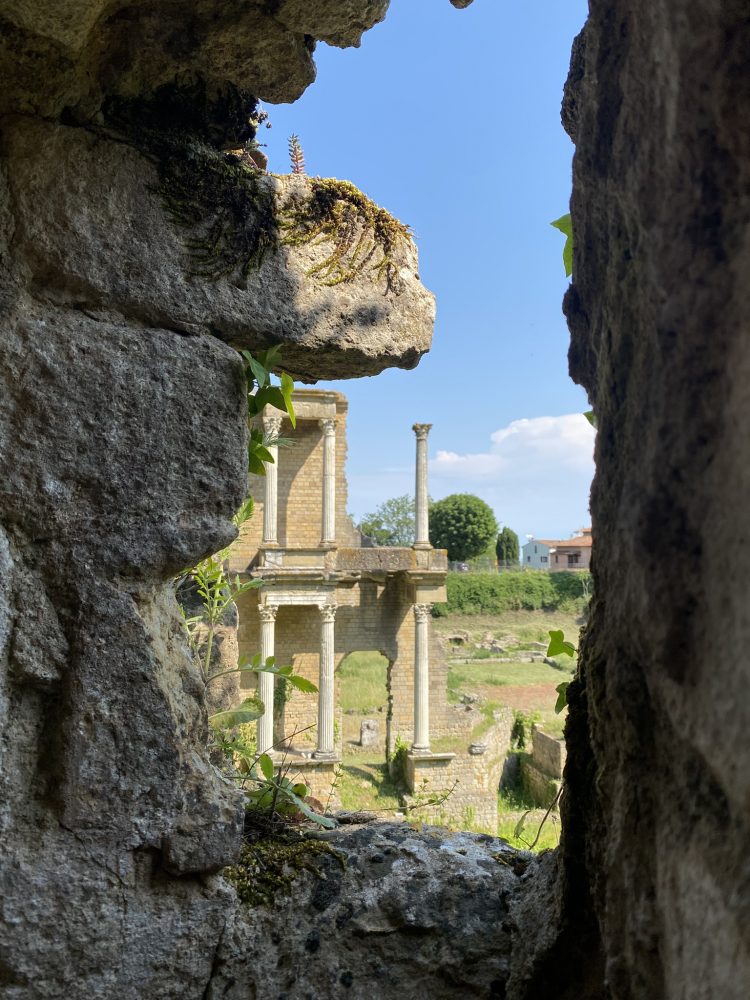
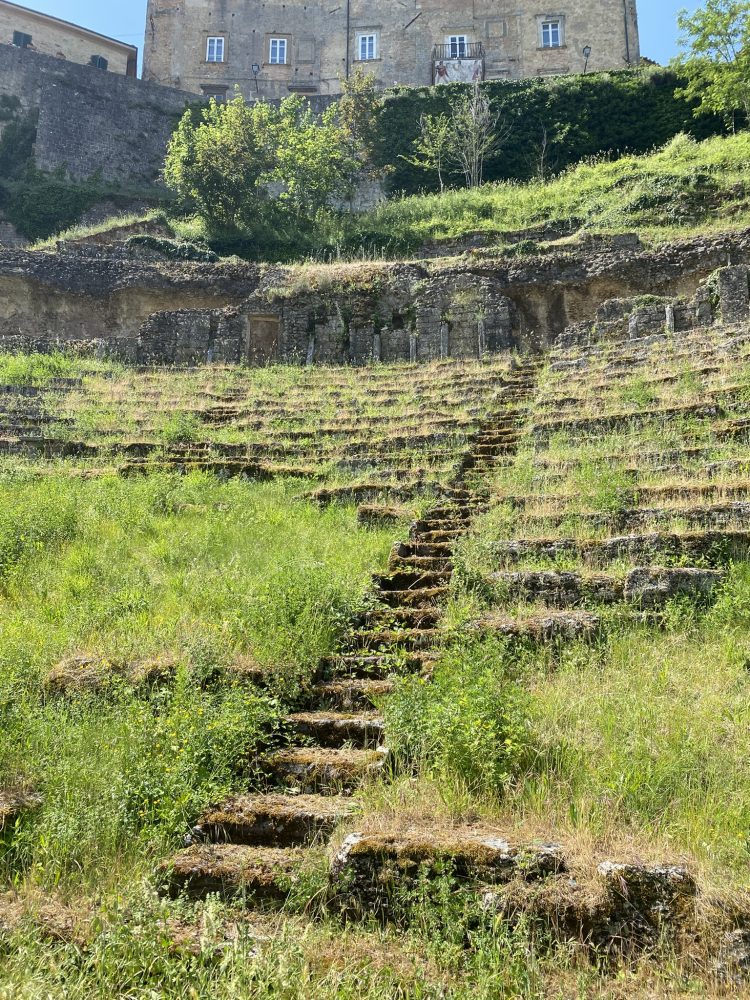
Our next visit stop while travelling through the history of Volterra was the Roman Theatre. The Roman Theatre started being excavated in 1950, and then eventually our professor Wladek Fuchs stepped in to help with understand the Theatre and how it was built. As part of his research, Wladek discovered the proportions of the Theatre and using rebuilt portions of the remains was able to create a 3D model of what it may have originally looked like.
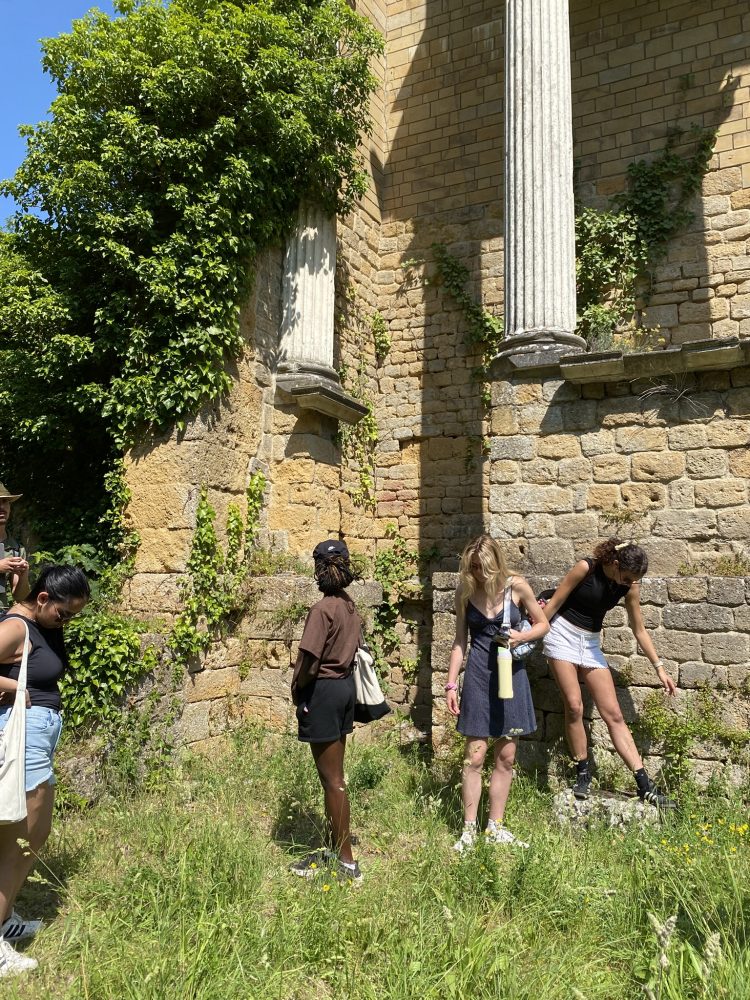
Normally, when you visit the site of the Roman Theatre you are limited to viewing it on one level and from above but luckily for us we were able to go past the tourist zone and walk through the remains. Touching the stones, sitting on the seats, and seeing the Theatre from that angle was so special and unique that it truly felt as if we were about to go back in time. As architecture students, this once in a lifetime visit gave us a chance to experience the space and properly imagine how it was built . There are also remains of an old Roman Bath on the site behind the Theatre which we walked along as well.
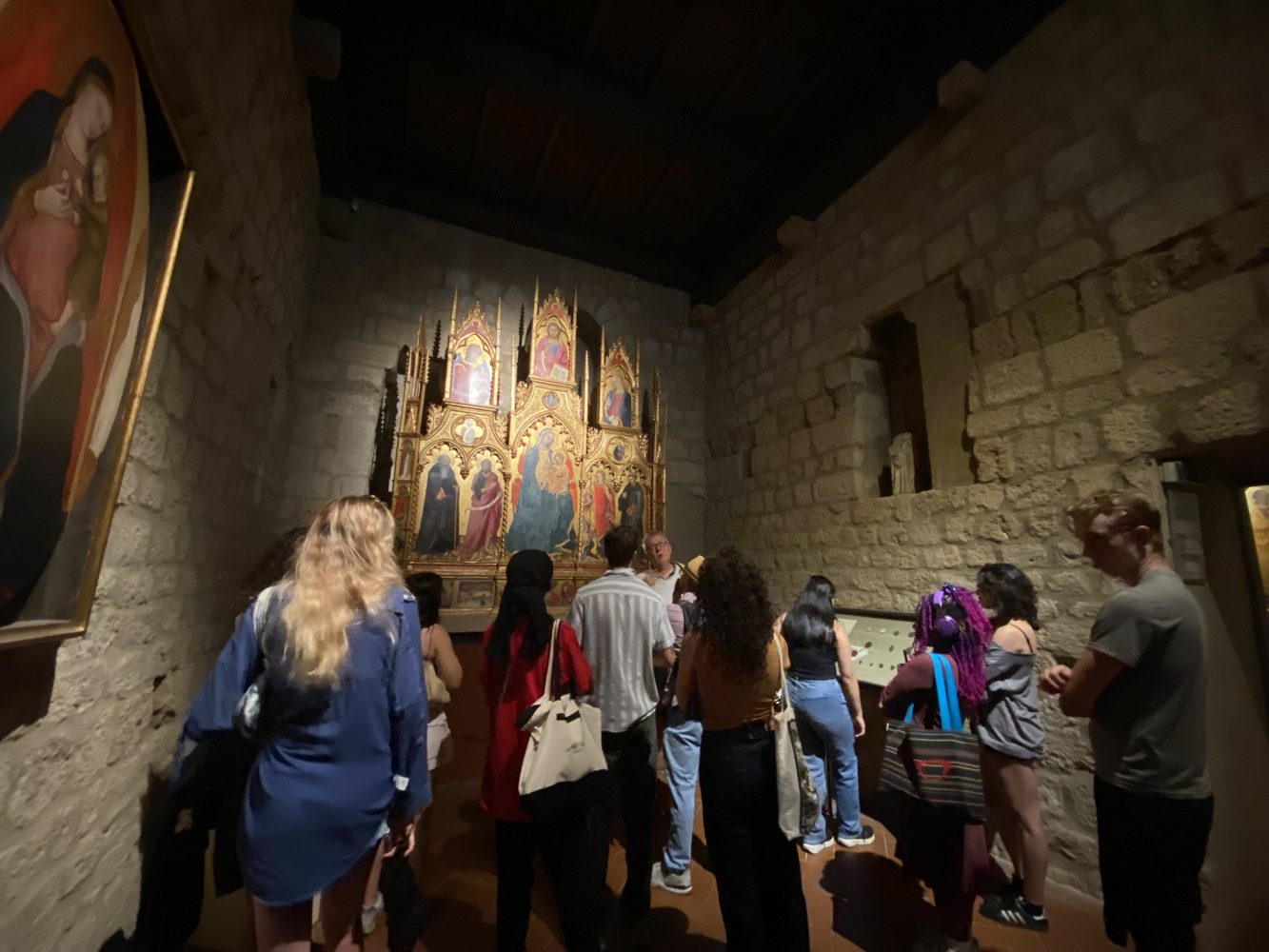
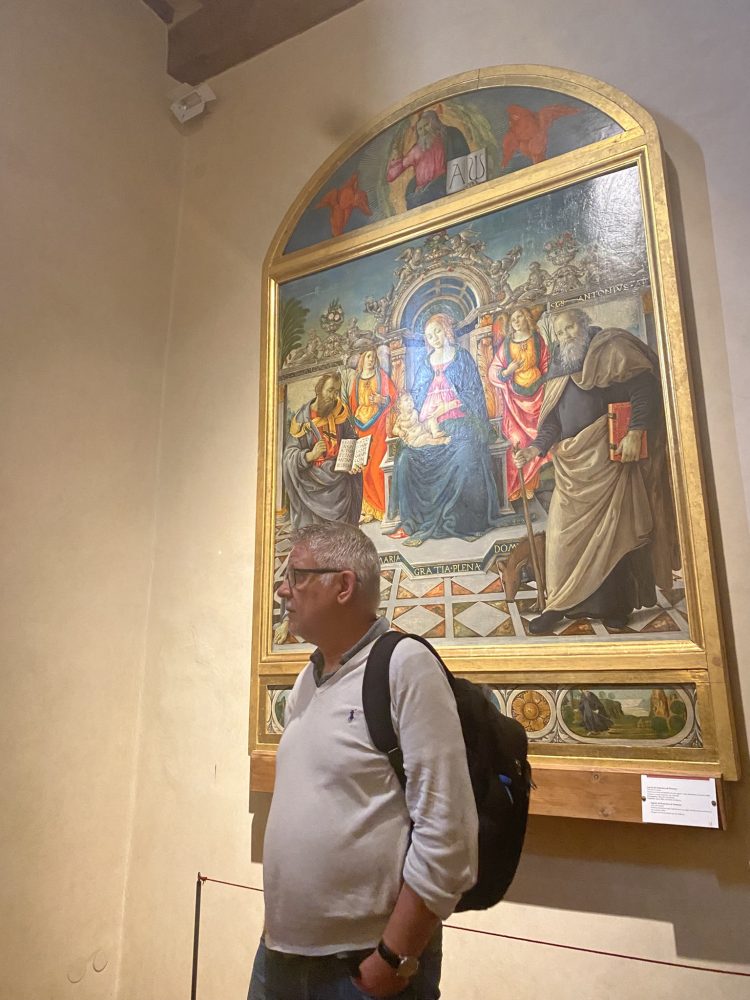
Our third visit within Volterra was to the Pinacoteca. This building is an old renaissance palace from the 16th century and is organized around a central courtyard which has its own water source for household use. The building is full of art from and around the Volterra area, and not only was it a house, it was a system. The family who would have commissioned the building were very rich and designed a small chapel space for private use, only for their prayers. This small chapel room is actually the only baroque style architecture of the building since the rest is renaissance, the baroque tried to give a sense of fluidity.
As we toured the building, we all noticed that saint Christopher was very popular in and around Volterra, with him being portrayed in much of the artwork. Another thing to point out is that the transition from renaissance art to baroque art can be noticed through facial expression because renaissance showed little to no emotion and baroque showed all of the emotions. A lot of the artworks in the Pinacoteca were altar pieces or other paintings but there were a few coins and sculpture as well. After the Pinacoteca we all went to a cafe nearby and had cappuccinos together on a nice outdoor patio while discussing our upcoming class trips and looking at pictures of Wladek’s amazing water colour paintings.
That is all for now, stay tuned to hear more!
– Scarlett Ambedian