
Hiking Through the Renaissance- Florence
We’ve officially made it to our final trip destination with Social Art History in Italy! Florence is the city our class knows best, as we often travel here on day trips. This time, however, we have a full end-of-week stay, giving us a chance to explore the city from a new perspective.
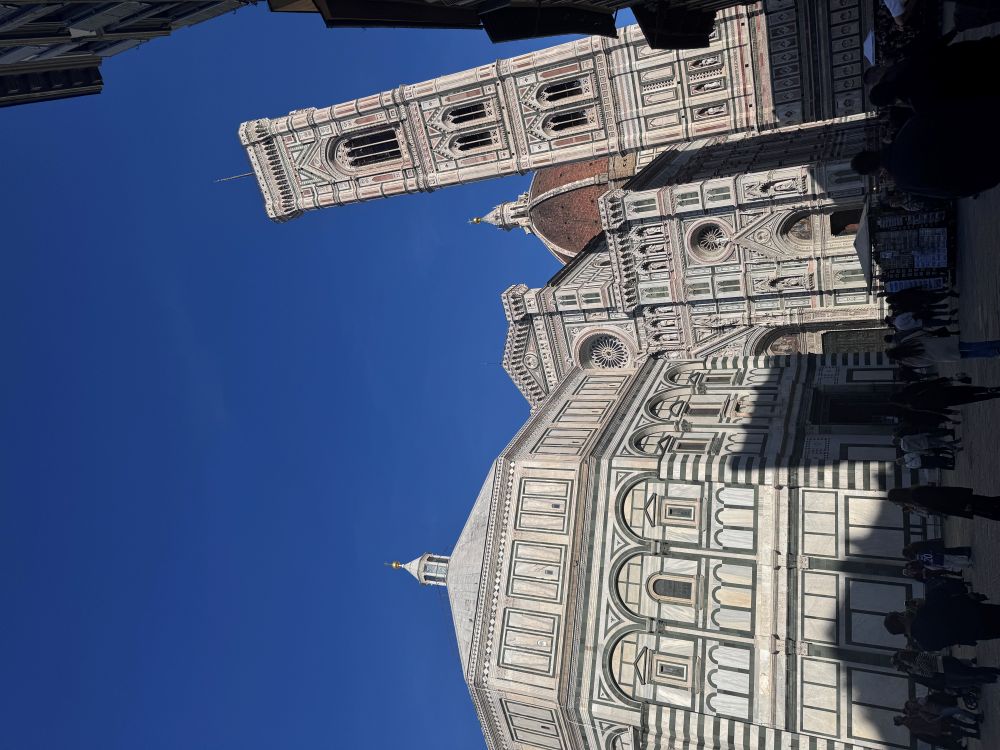
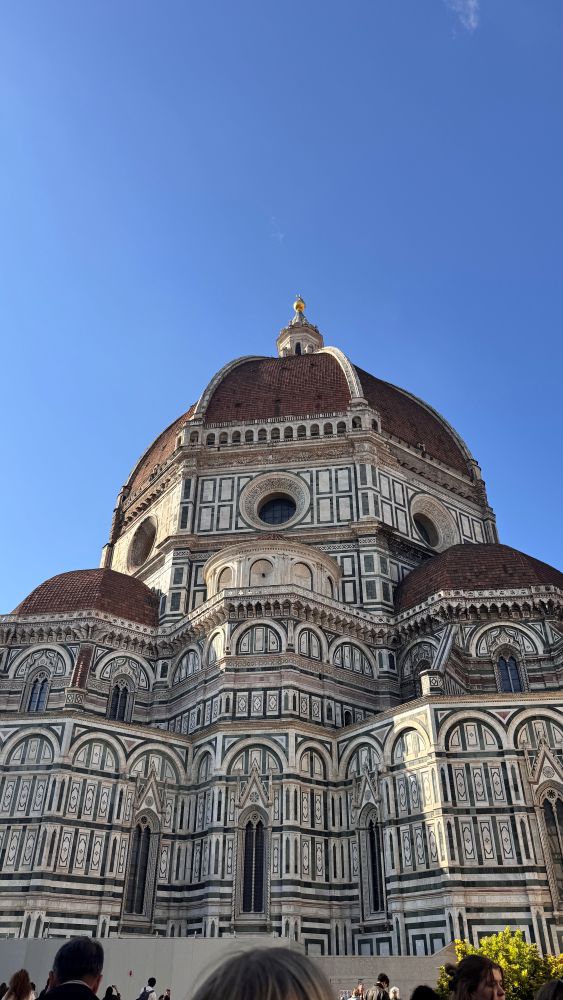
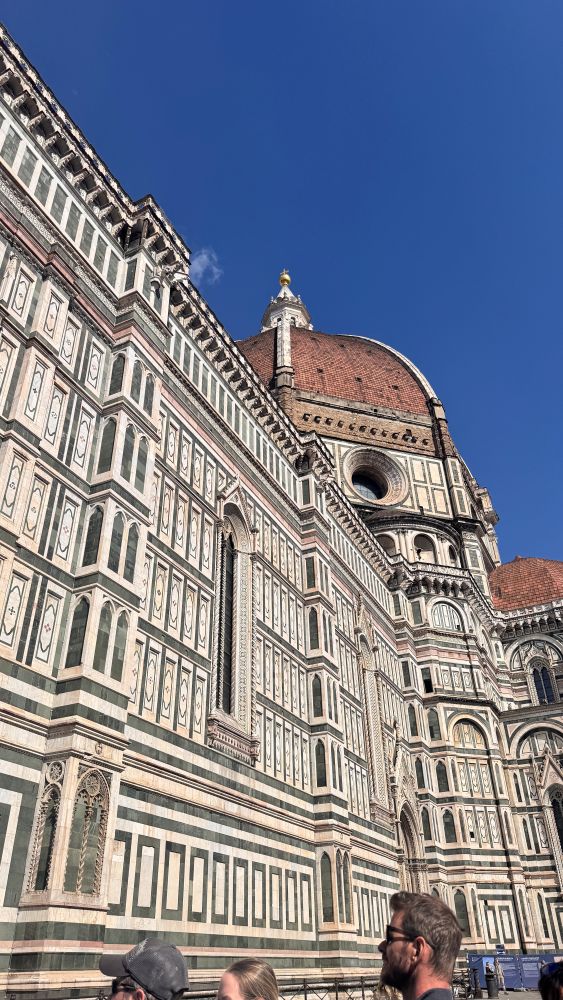
Our very first stop was the Cattedrale di Santa Maria del Fiore. Built in 1296 and completed in 1436, the cathedral is highly decorative and colorful, making it one of Florence’s most recognizable landmarks. Its exterior is covered in panels of white, green, and pink marble arranged in geometric patterns, reflecting Gothic influences while showcasing a distinct Tuscan Gothic style. Unlike England or France, Italy never fully embraced Gothic architecture, resulting in this uniquely Italian expression.
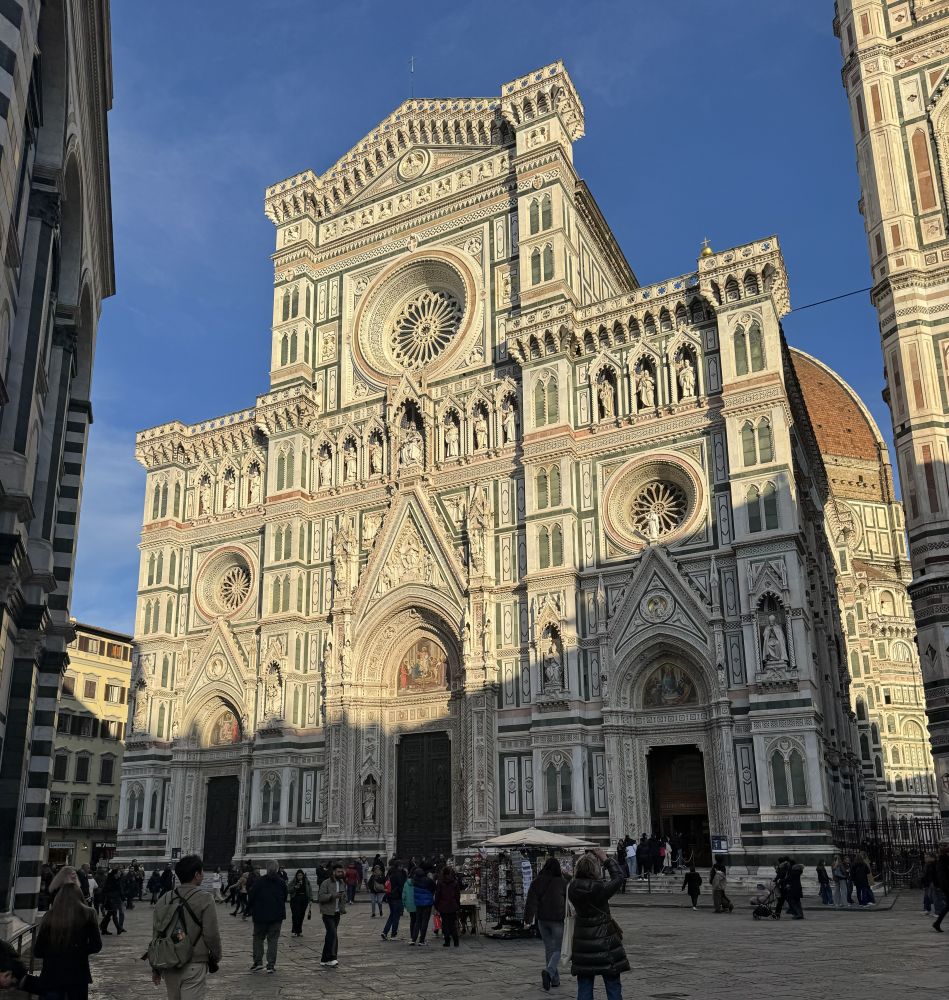
Interestingly, the intricate front façade was actually completed in the 19th century. The original façade was never finished and was even dismantled in the 16th century, leaving the cathedral with a plain front for centuries. The 19th-century façade was designed to match the surrounding exterior walls.
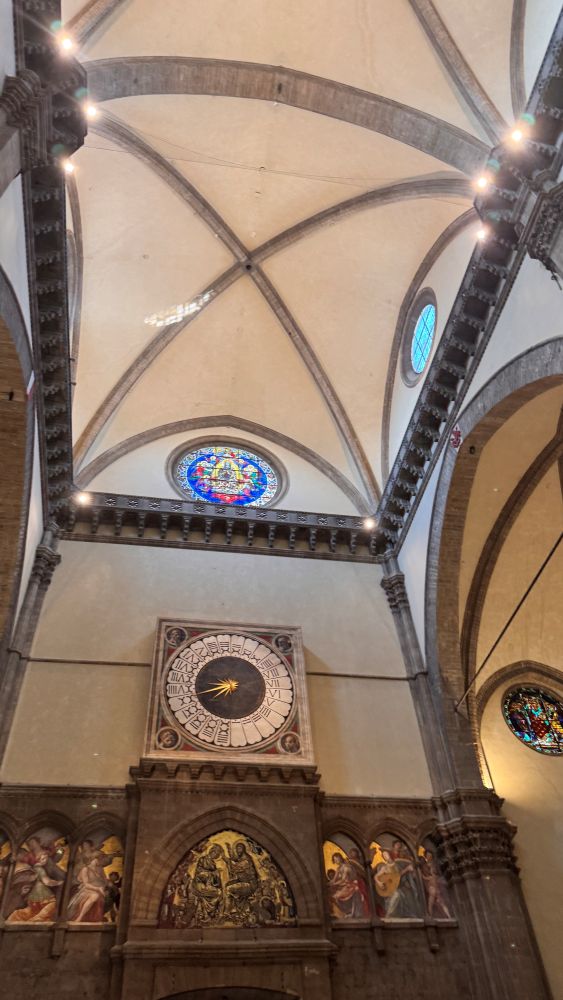
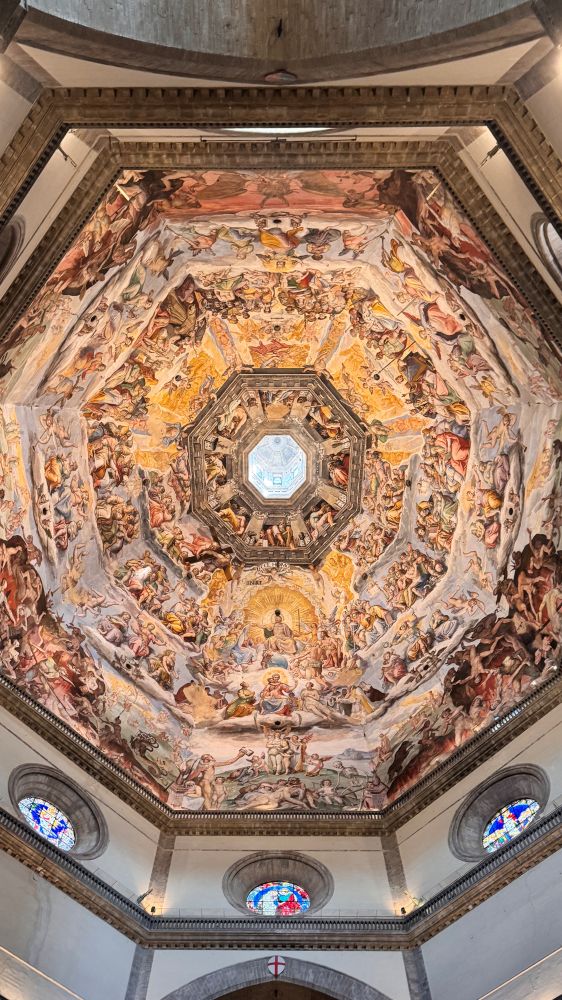
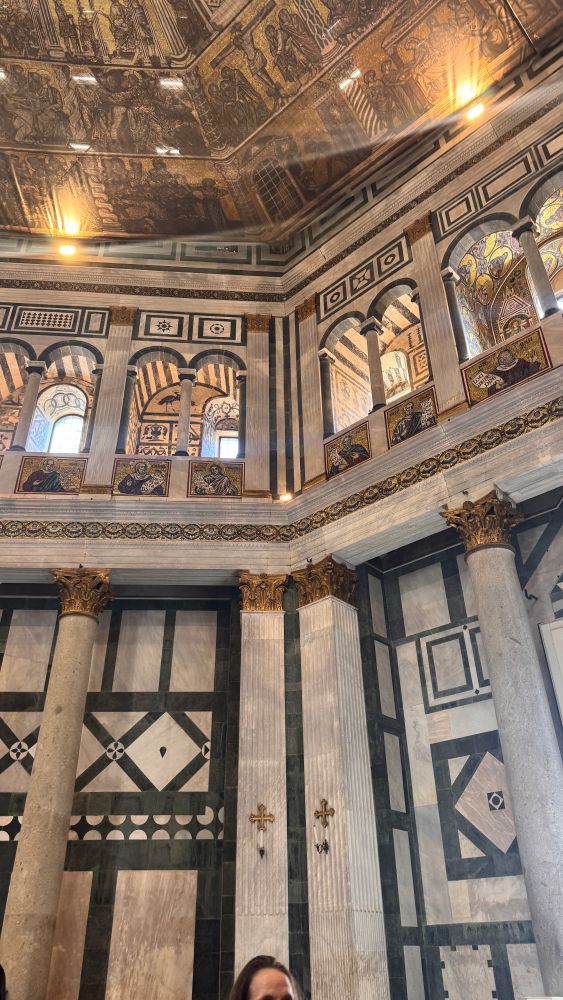
Inside, the cathedral is surprisingly simple compared to its elaborate exterior. The standout feature is the ceiling of the dome, adorned with The Last Judgment fresco painted by Giorgio Vasari and later completed by Federico Zuccari. The painting depicts heaven, hell, and the final judgment, creating a visually stunning and symbolic centerpiece. This simplicity is also especially striking when compared to the richly decorated Florence Baptistry, located just across the cathedral doors, highlighting the different artistic approaches in these two adjacent sacred spaces.
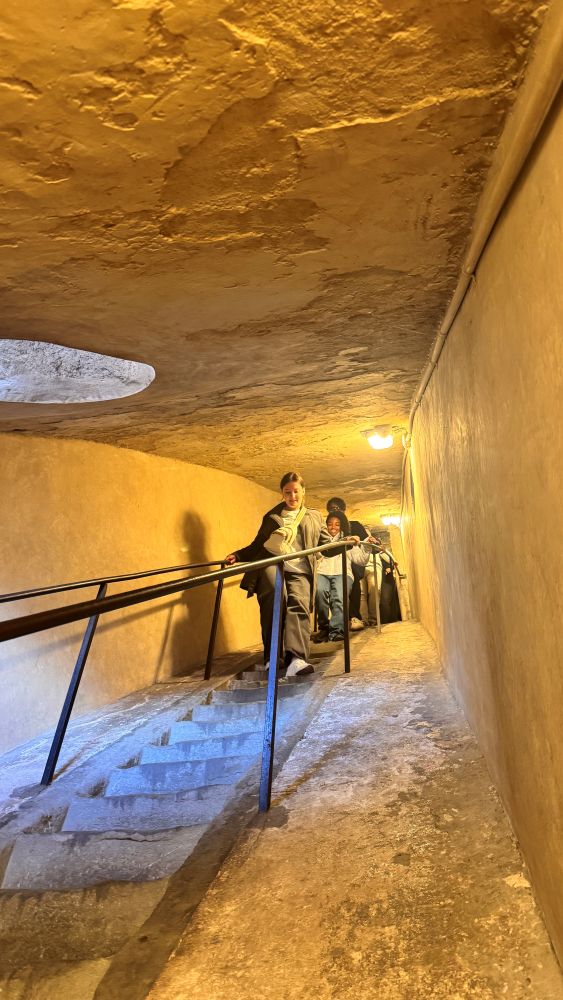
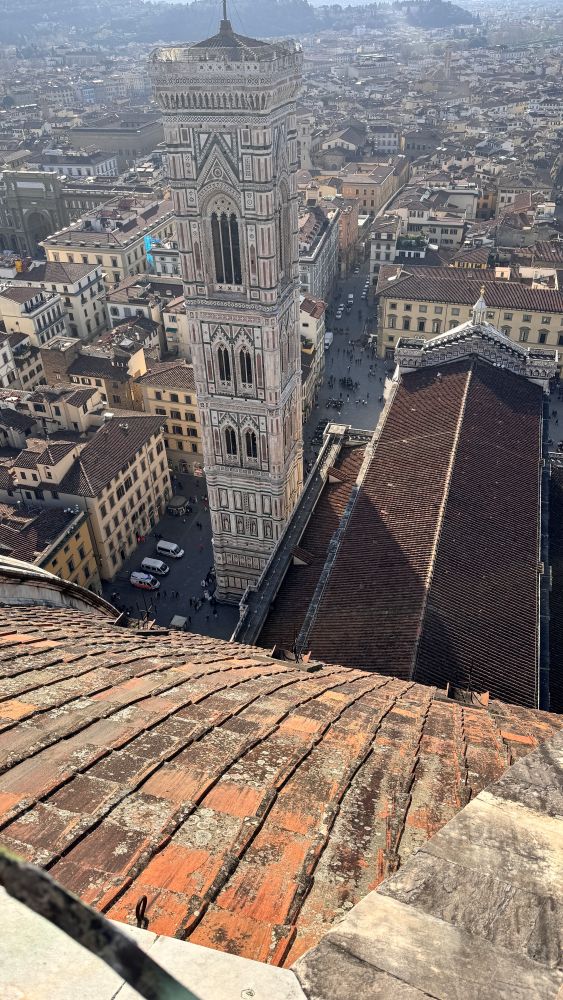
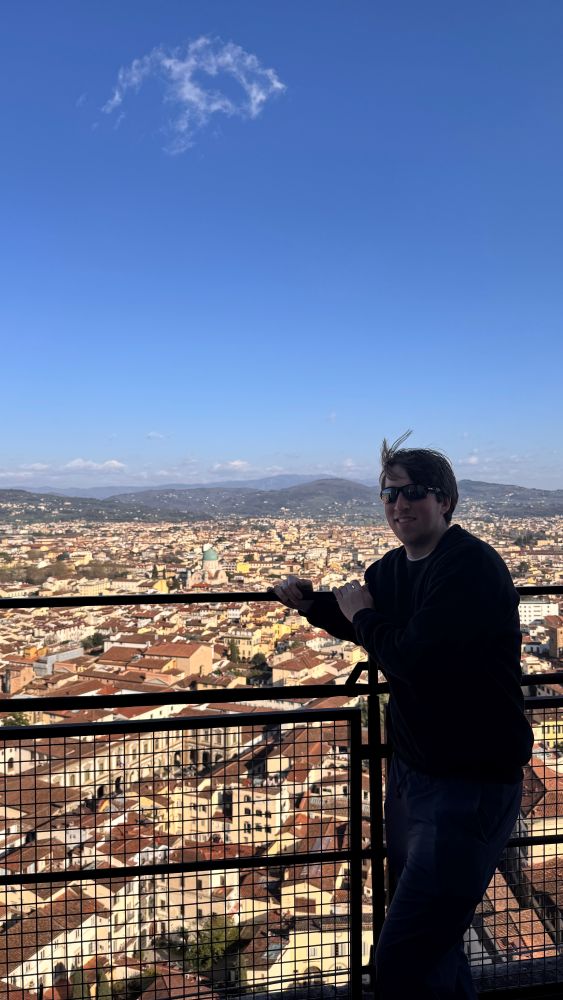
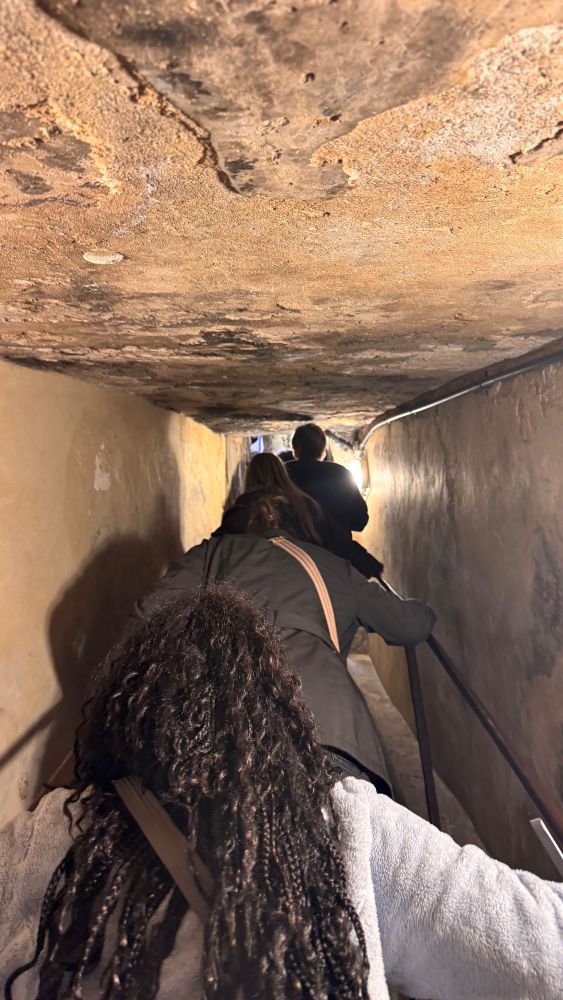
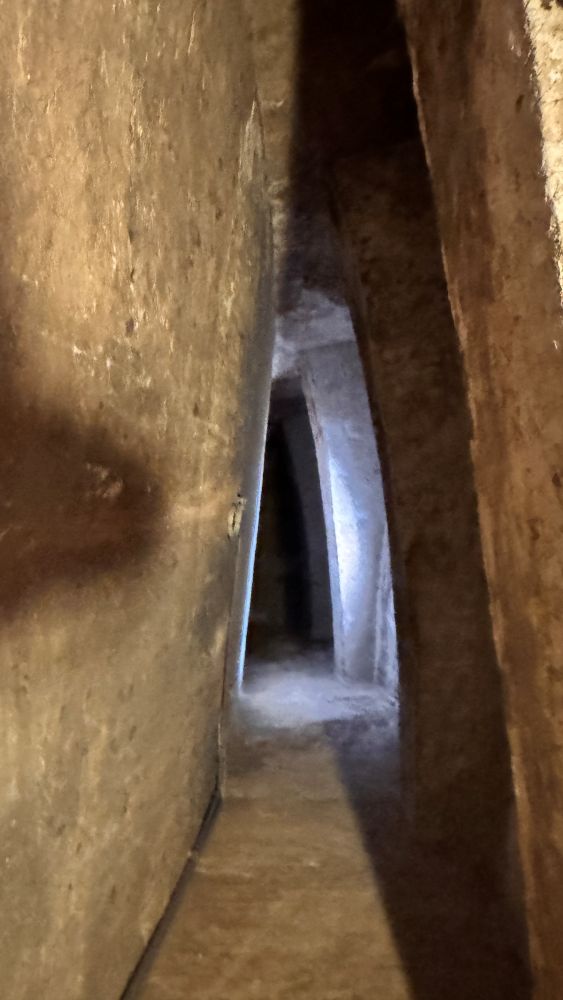
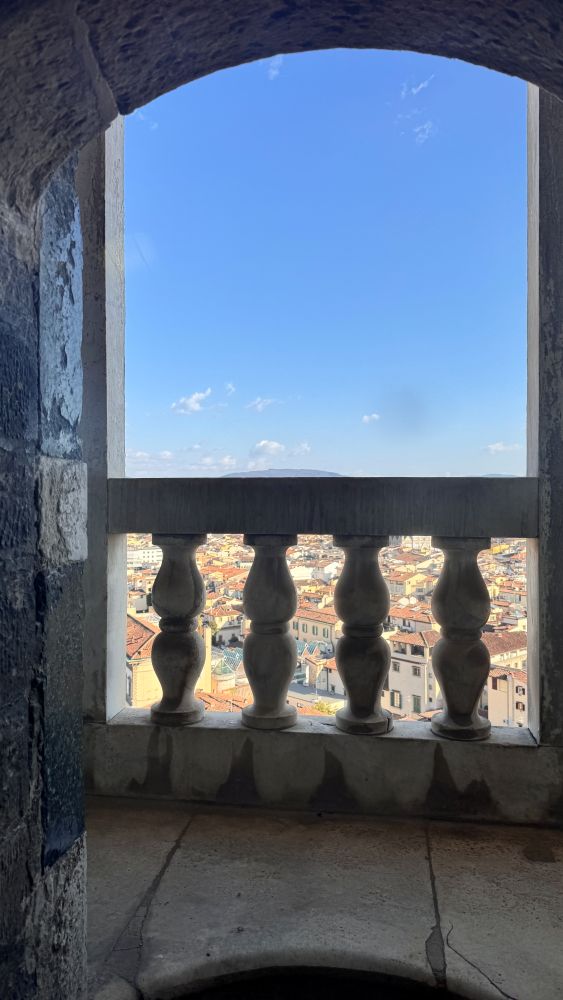
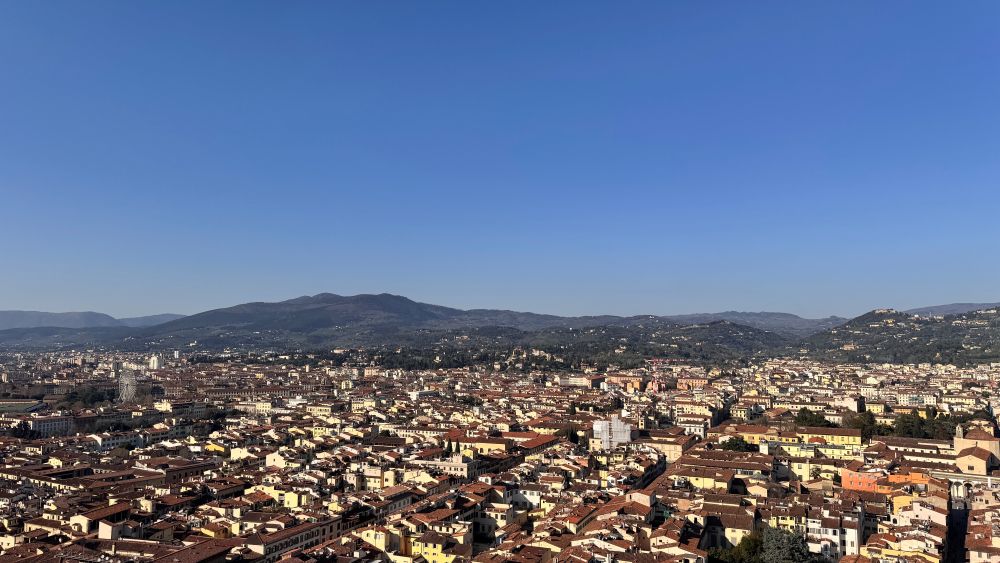
Being inside the cathedral was amazing, but climbing to the top of the dome was a whole new experience. Designed by Filippo Brunelleschi, the dome was a groundbreaking engineering feat. As we climbed the narrow, spiral stone stairs, flight after flight, we gained a new appreciation for Brunelleschi’s genius. Between the double-shell walls, we could see the herringbone brick pattern that supports the massive structure, and we even got closer views of the frescoed ceiling. Finally, reaching the top rewarded us with breathtaking panoramic views of Florence, the city at our feet felt truly unforgettable.
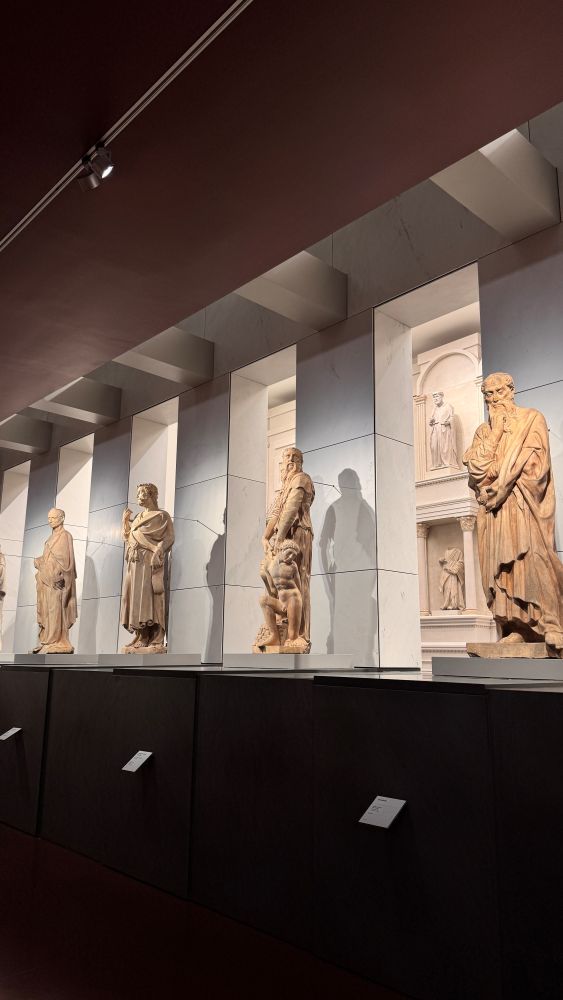
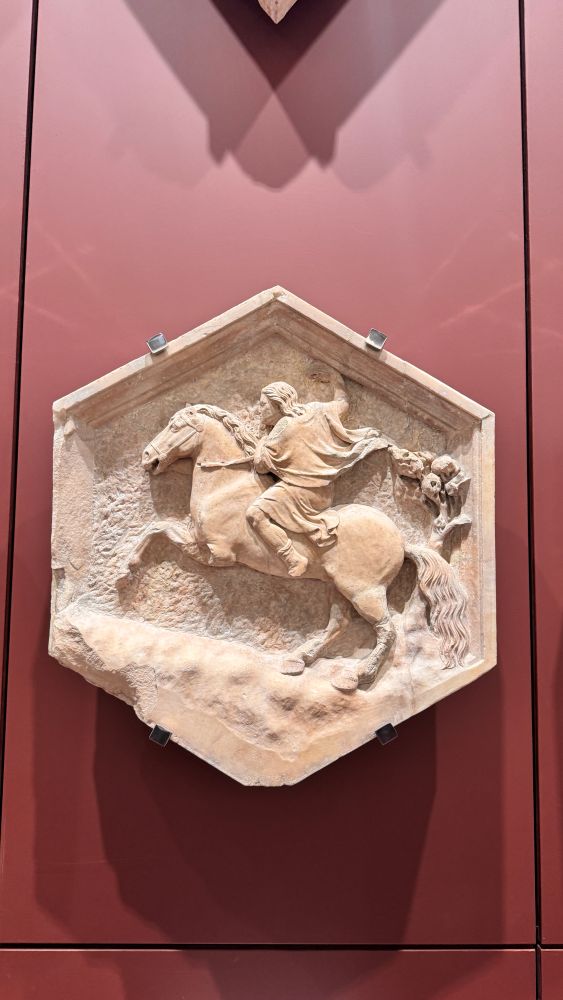
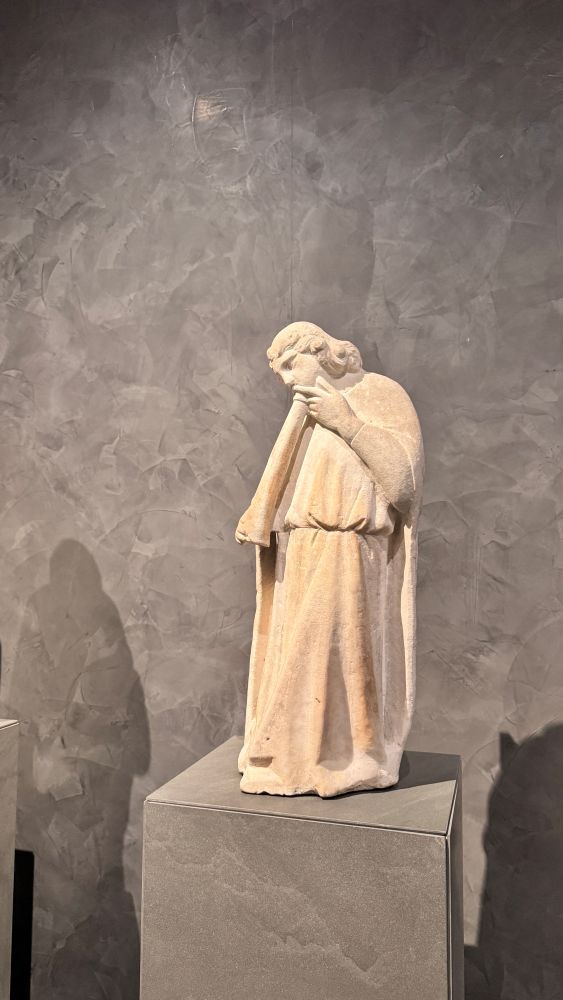
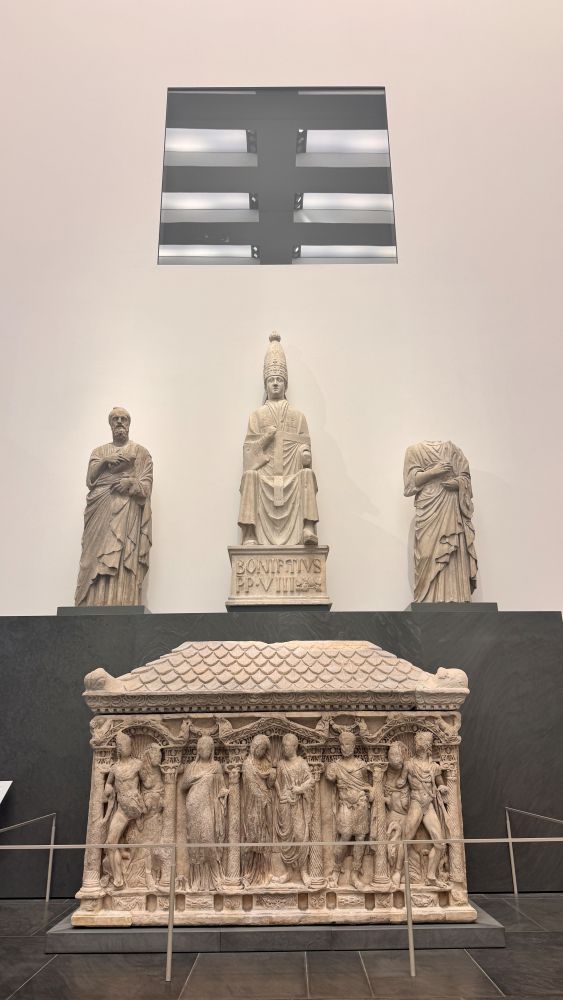
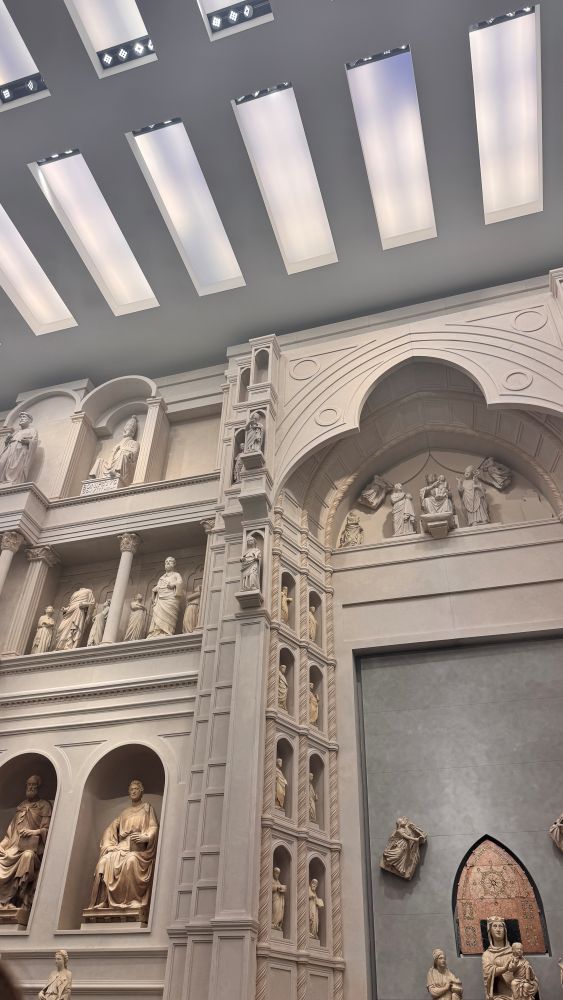
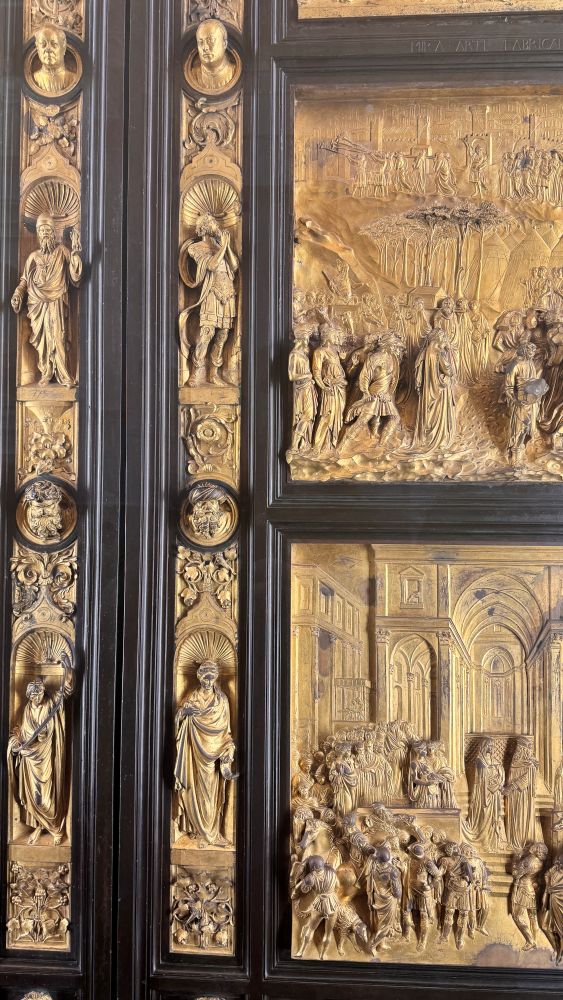
Our next stop was the Opera del Duomo Museum, which completely captivated our group. We first saw artifacts from the old cathedral façade, arranged as they had been originally, including a life-sized reconstruction in a massive back room. We also admired Ghiberti’s bronze doors, the originals that once adorned the Baptistery.
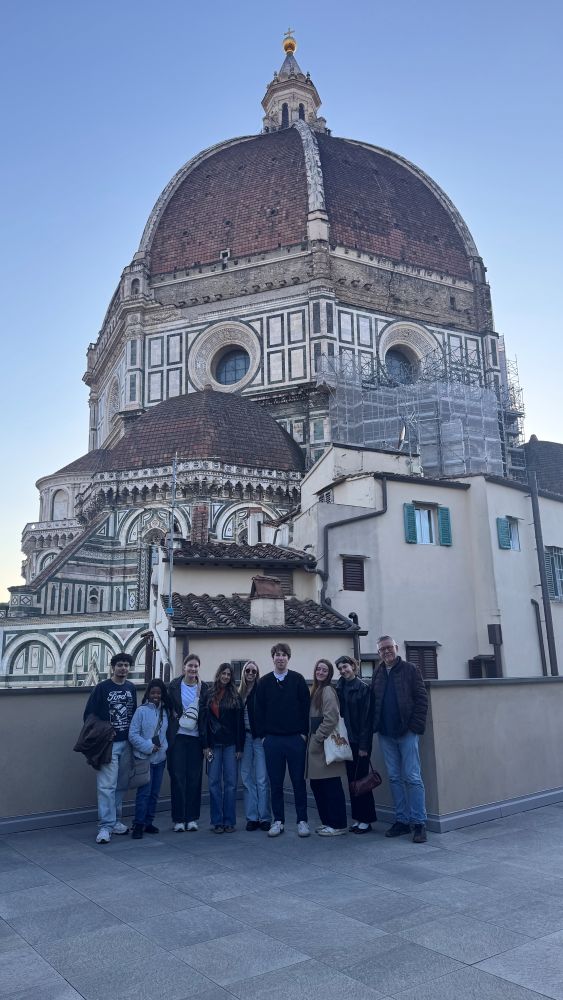
Quick stop on the rooftop where there was a beautiful view of the dome!
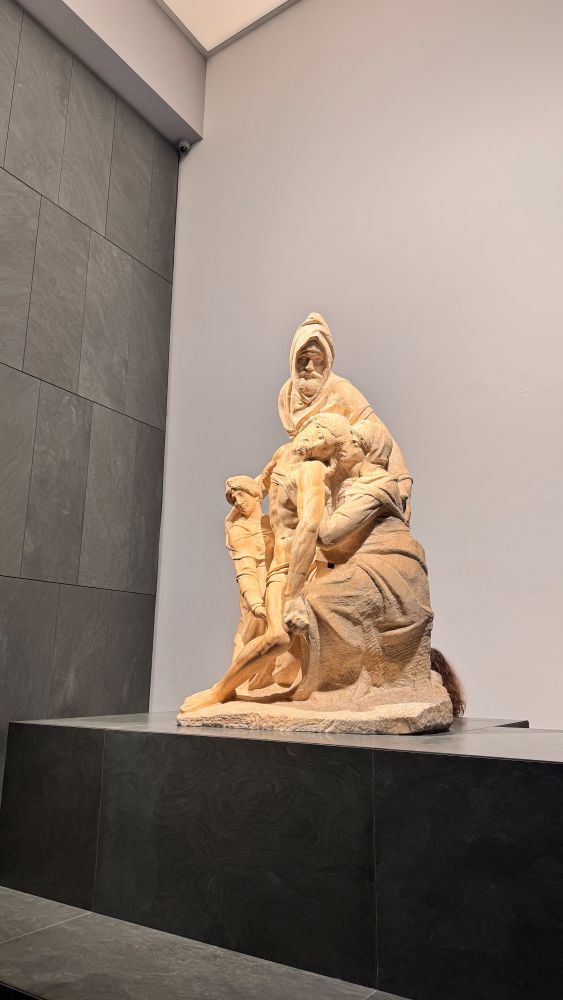
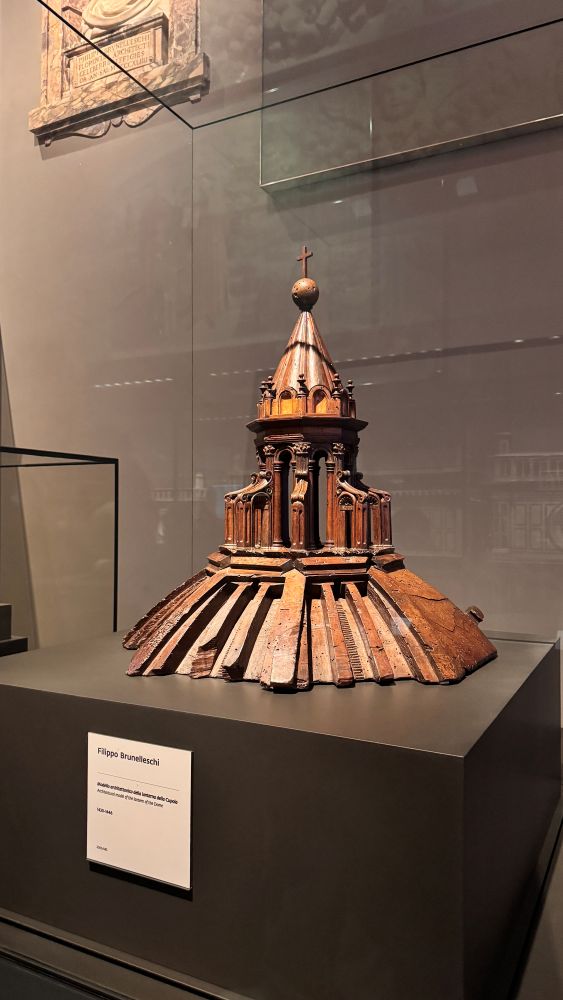
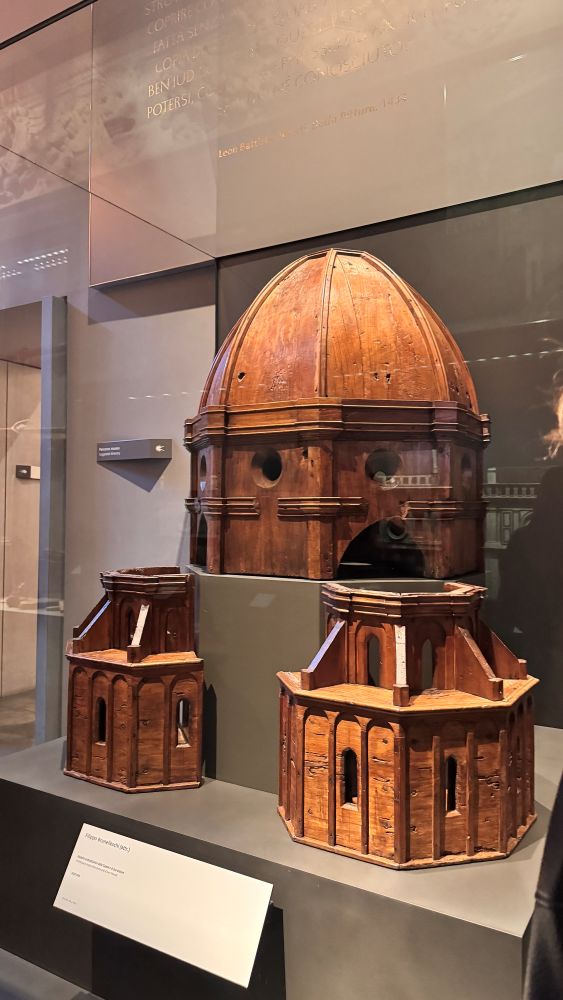
The highlight for our group, however, was seeing the wooden study models of Brunelleschi’s dome. These detailed miniatures offered a fascinating glimpse into the engineering brilliance behind the cathedral. We also stopped by Michelangelo’s unfinished “Florentine Pietà.” Unlike his polished works, this dramatic sculpture shows raw emotion and unfinished areas, giving a rare insight into Michelangelo’s creative process.
Day 2 started with an early morning meeting before heading off to the Uffizi Galleries. The gallery is located right beside the Palazzo Vecchio, which has historically served as Florence’s town hall. Originally built in the 16th century, the Uffizi was designed to house government offices for the Medici administration, “uffizi” literally means “offices.”
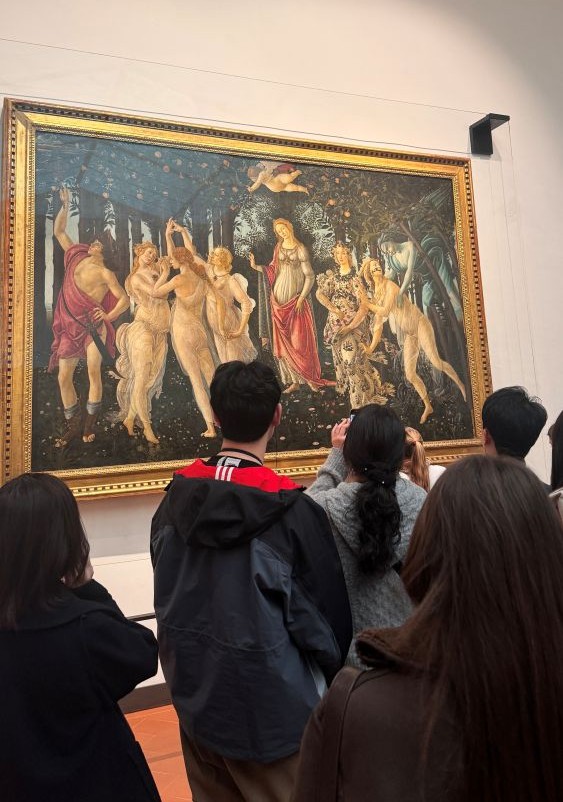
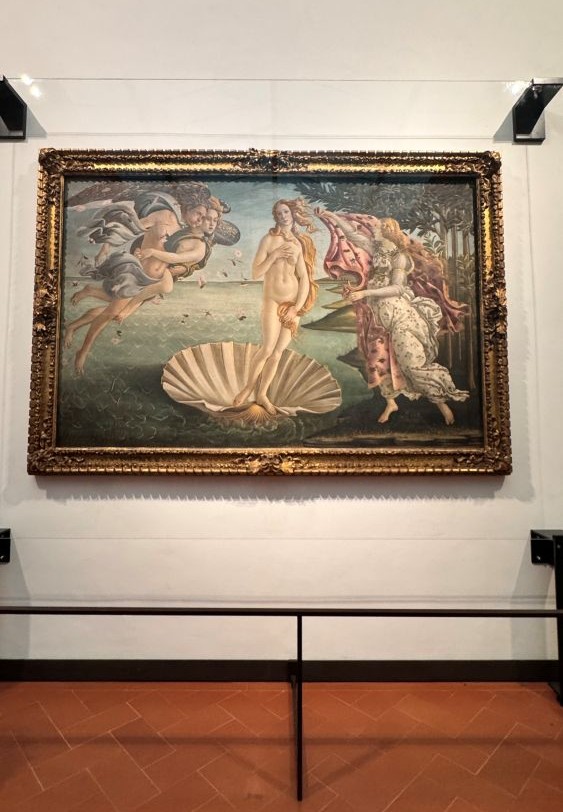
The building itself is laid out in a U-shape, with many side rooms branching off a long central hallway across three floors. The top floor holds the majority of the famous works we’ve studied in class. As we explored, we had the chance to see many important pieces that played a major role in the birth of the Renaissance. The first highlights we experienced were The Birth of Venus and Primavera by Sandro Botticelli. Seeing these paintings in person was incredible, we never truly understood their scale and detail until that moment.
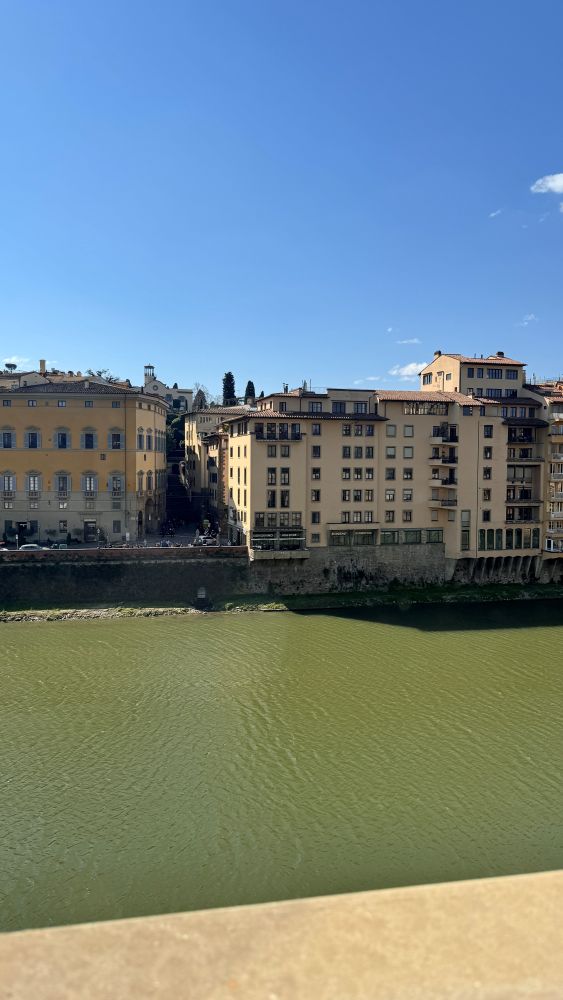
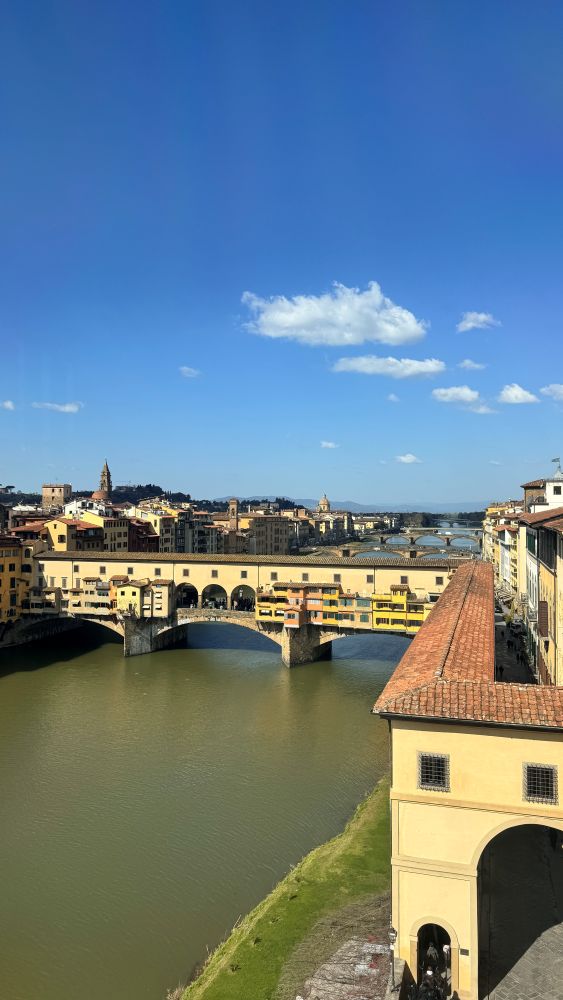
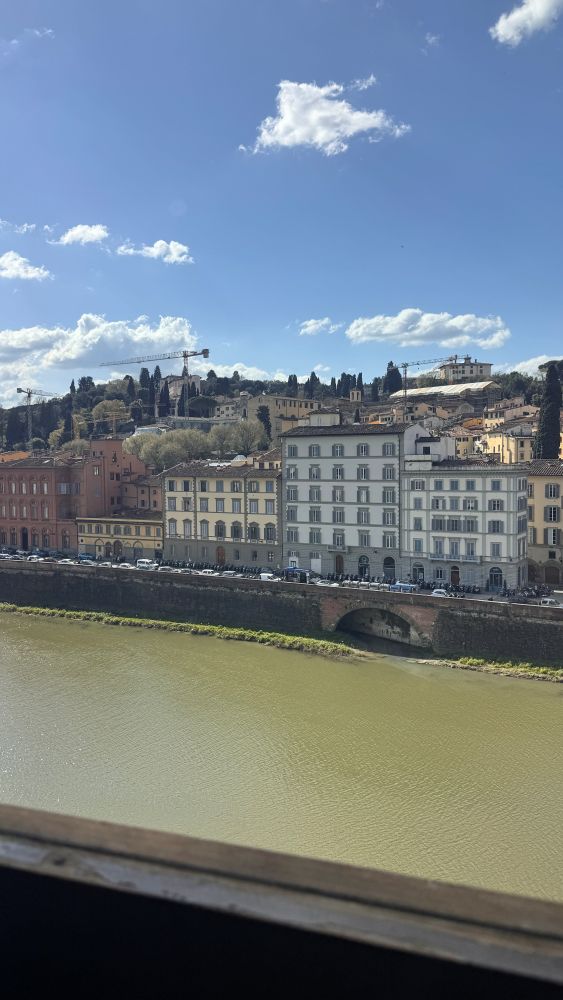
At the end of the gallery, there is a beautiful view overlooking the Arno River. From here, we also saw the Vasari Corridor, an elevated passageway that connects the Uffizi to the Palazzo Pitti, the Medici residence. It passes above the Ponte Vecchio and the river, allowing the Medici rulers to travel safely and privately between their offices and home without walking through crowded streets.
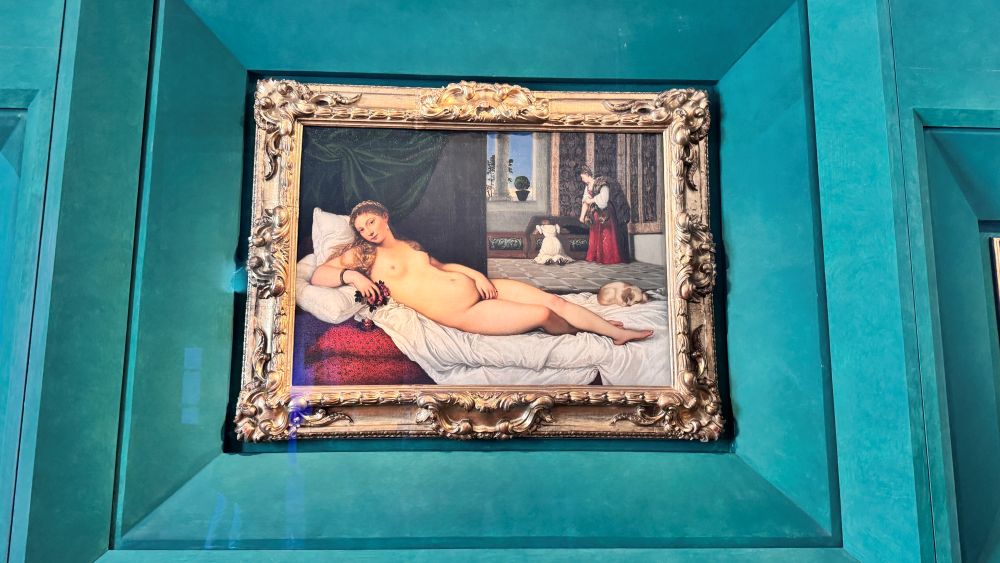
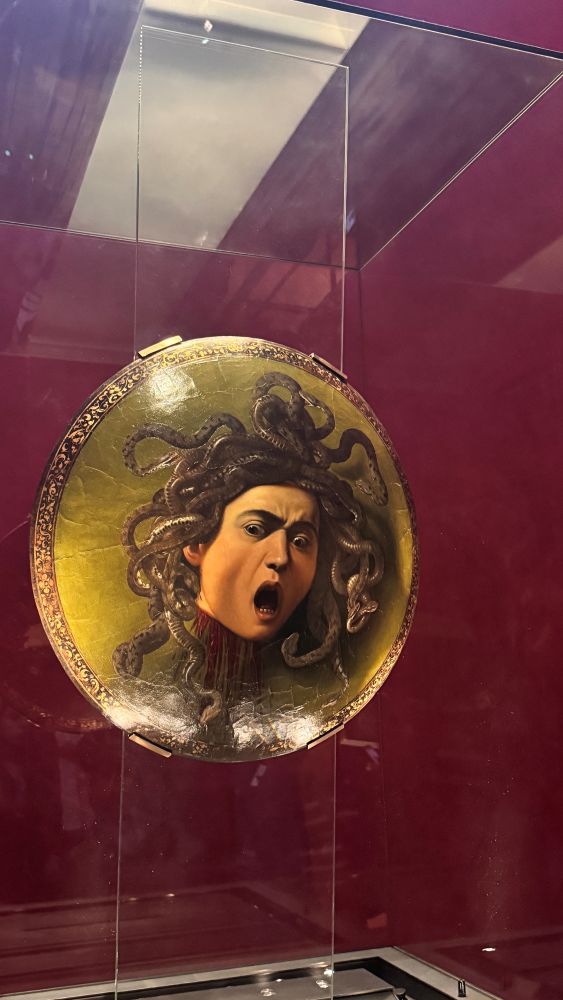
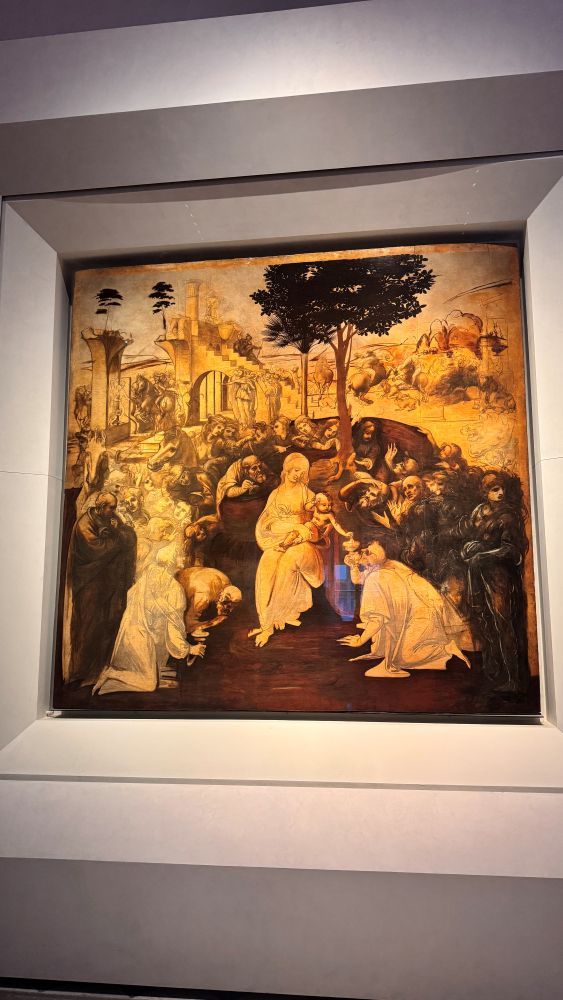
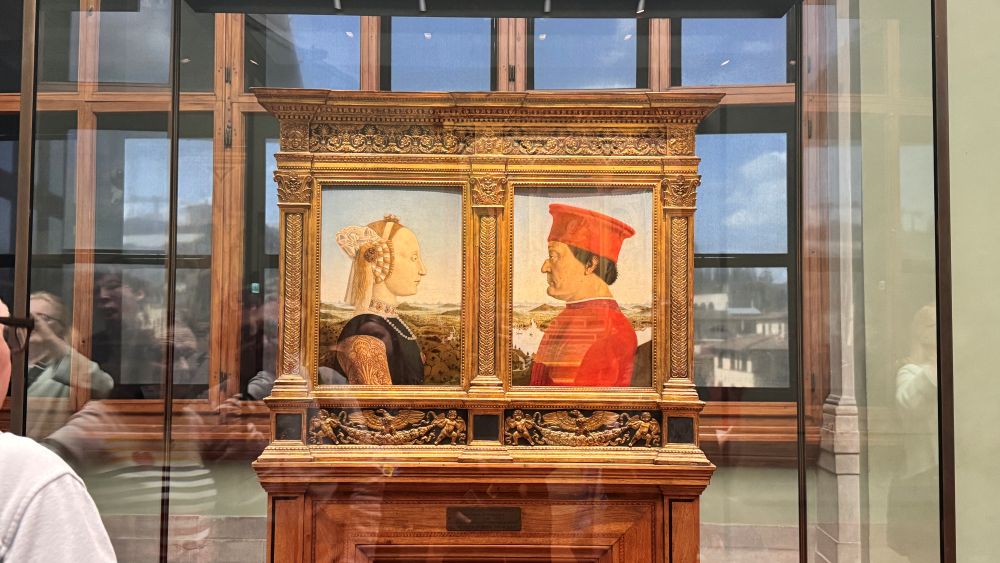
As we continued through the gallery, we saw even more incredible works, including the Diptych of Federico da Montefeltro and Battista Sforza by Piero della Francesca, Medusa by Caravaggio, and Venus of Urbino by Titian. It felt surreal to casually walk past such famous masterpieces. This visit was definitely a moment of appreciation, we realized how special it was to experience these works in person.
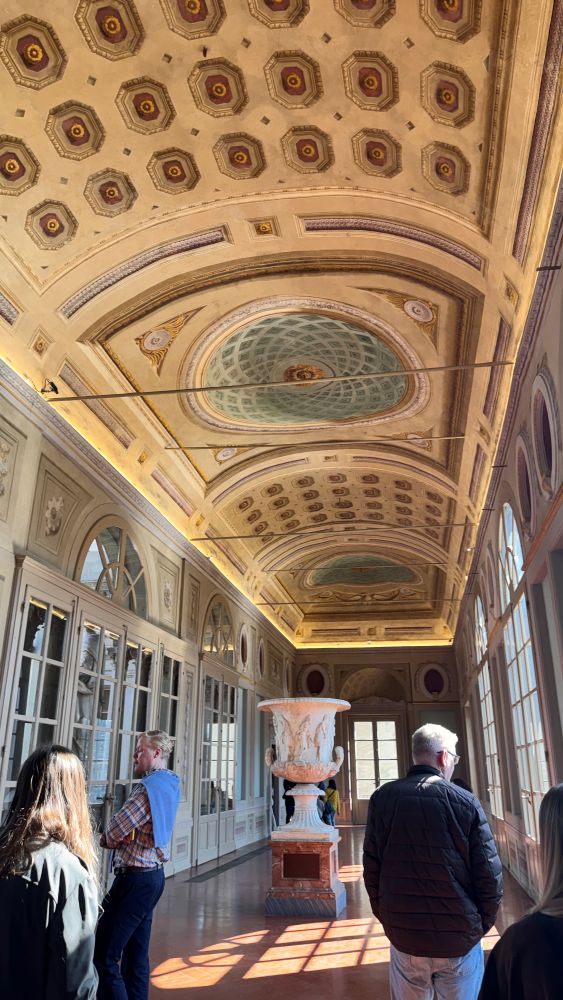
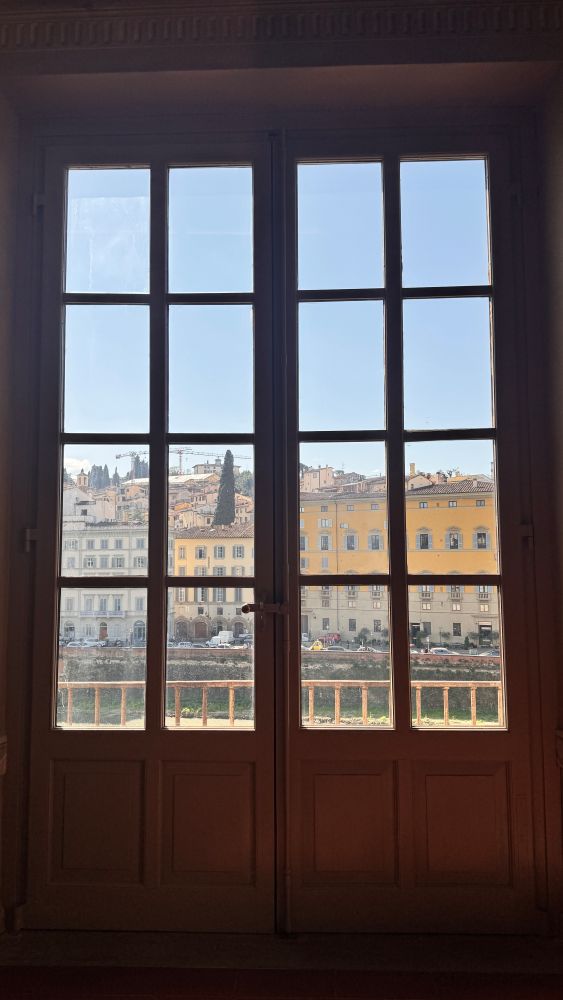
As we finished our visit, we continued to admire both the gallery and the beautiful city surrounding it.
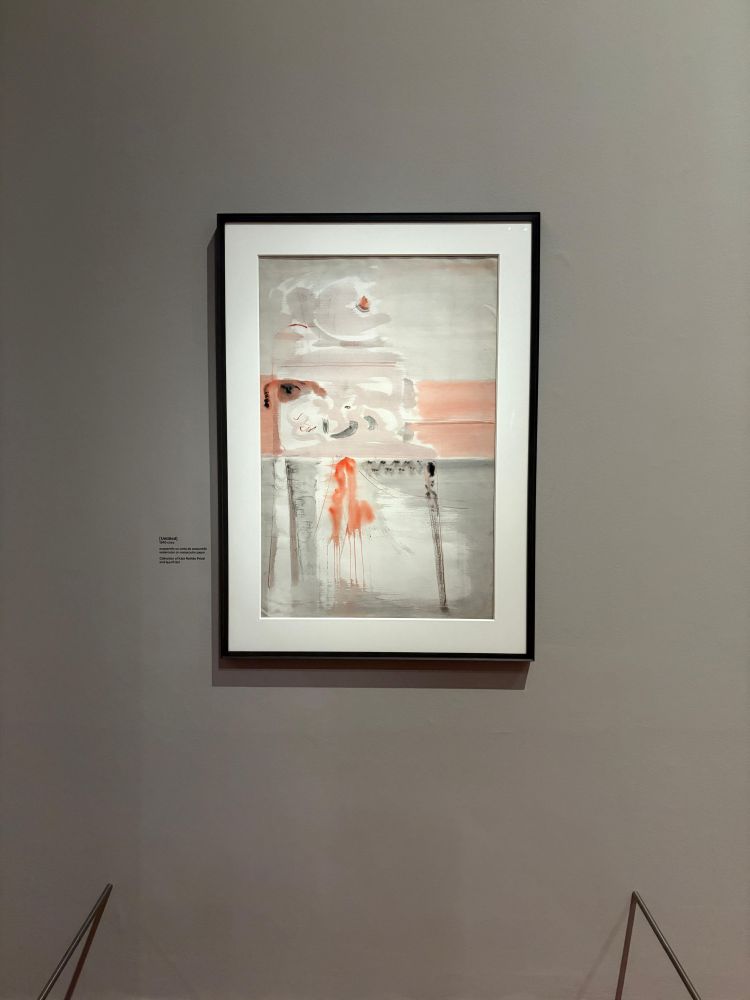
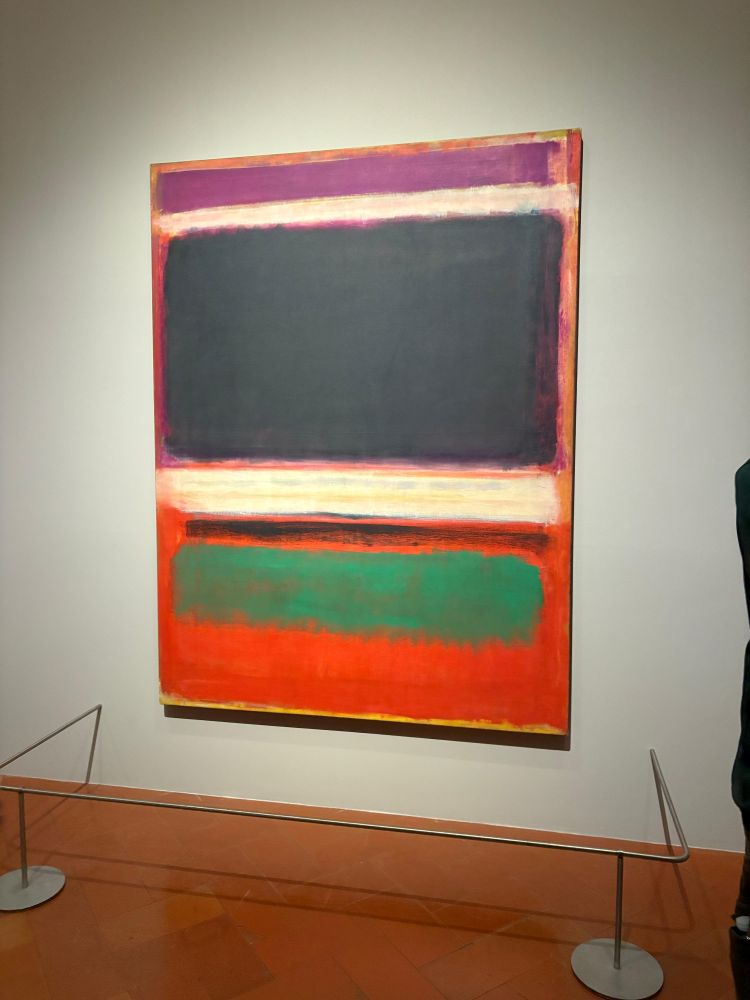
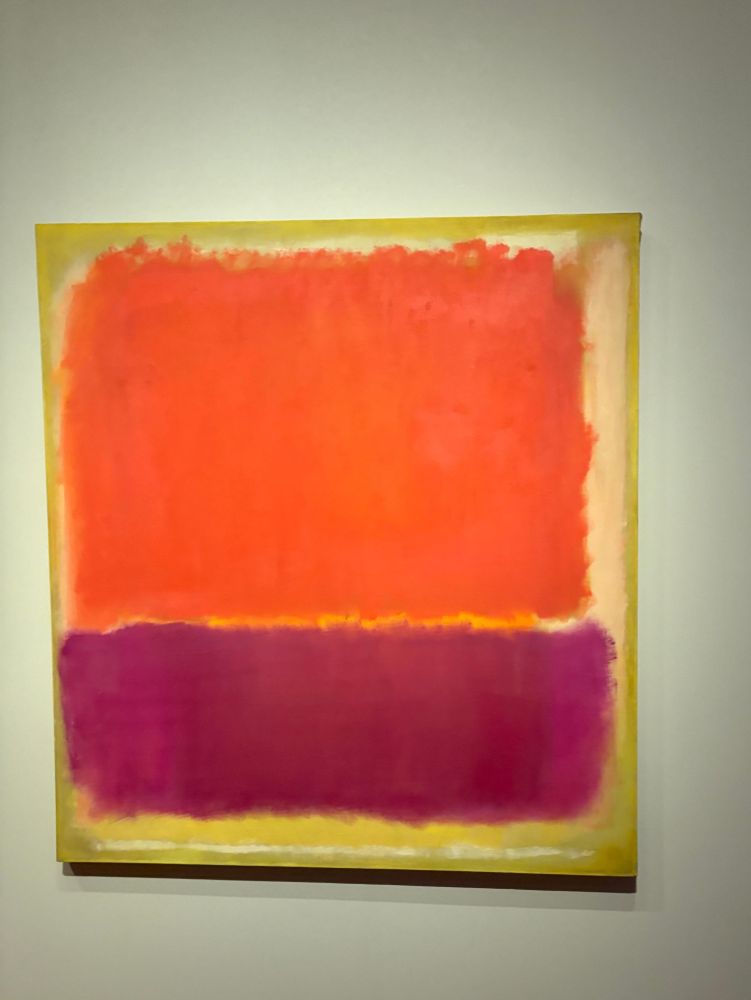
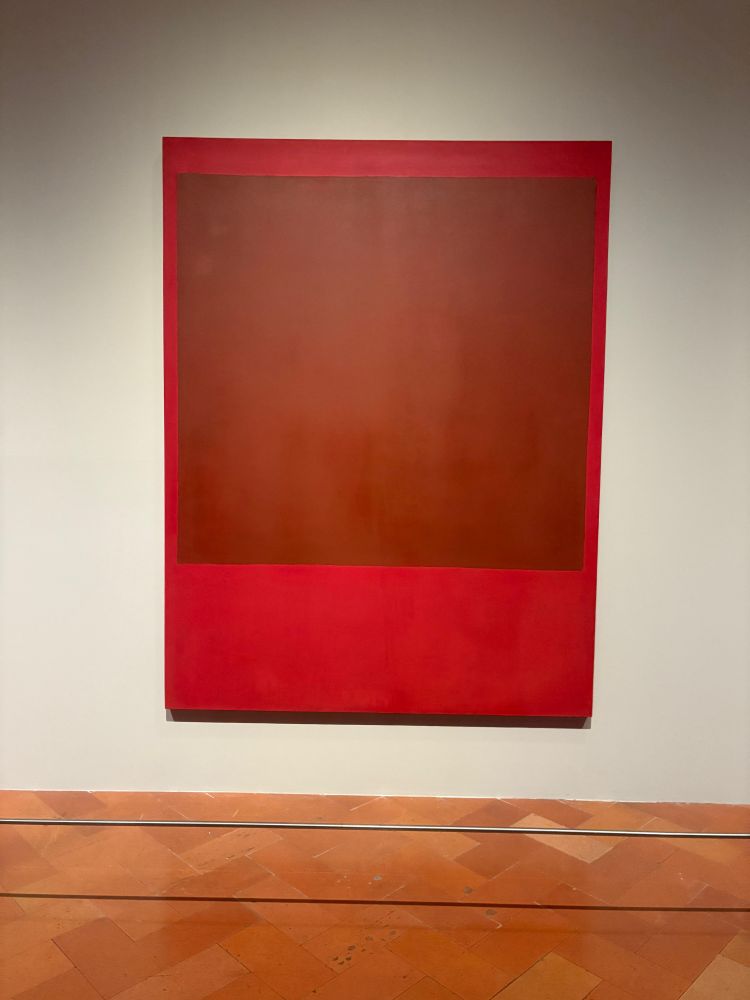
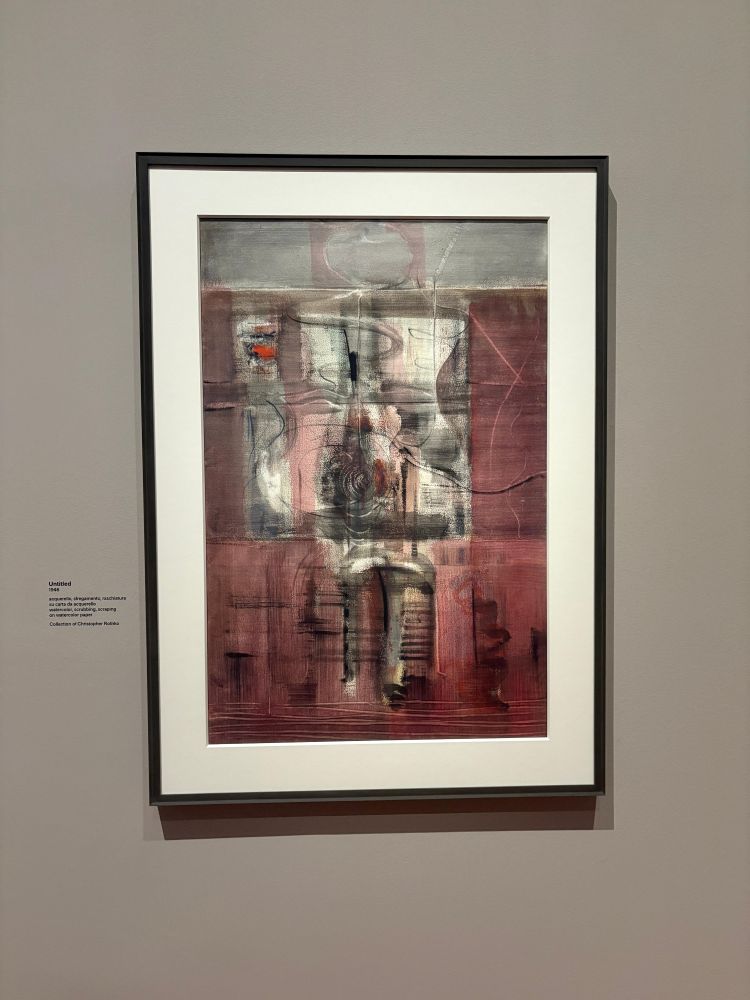
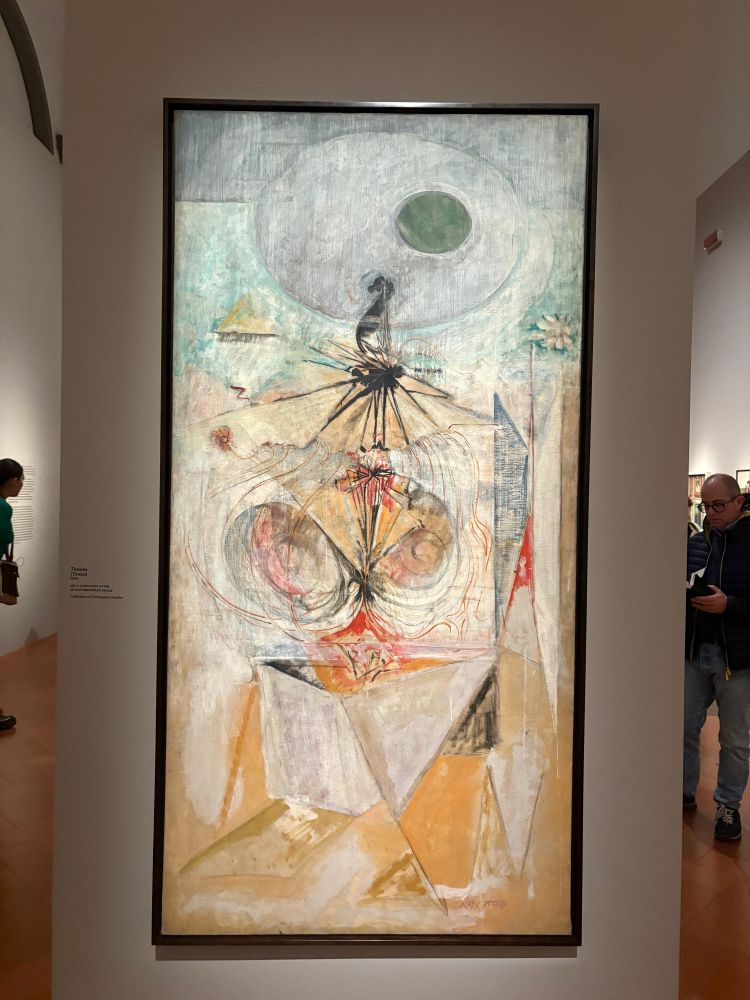
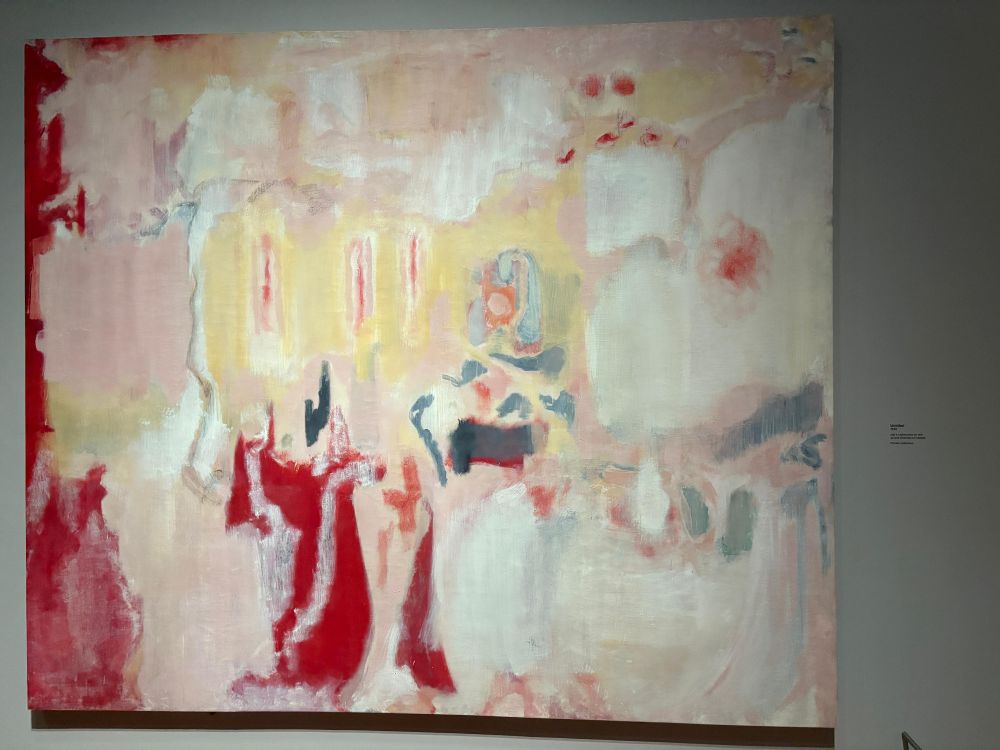
The day ended with our group splitting up to explore different museums around Florence. One group visited an exhibition dedicated to Mark Rothko, which showcased his powerful use of color and emotion to create deeply immersive and contemplative works.
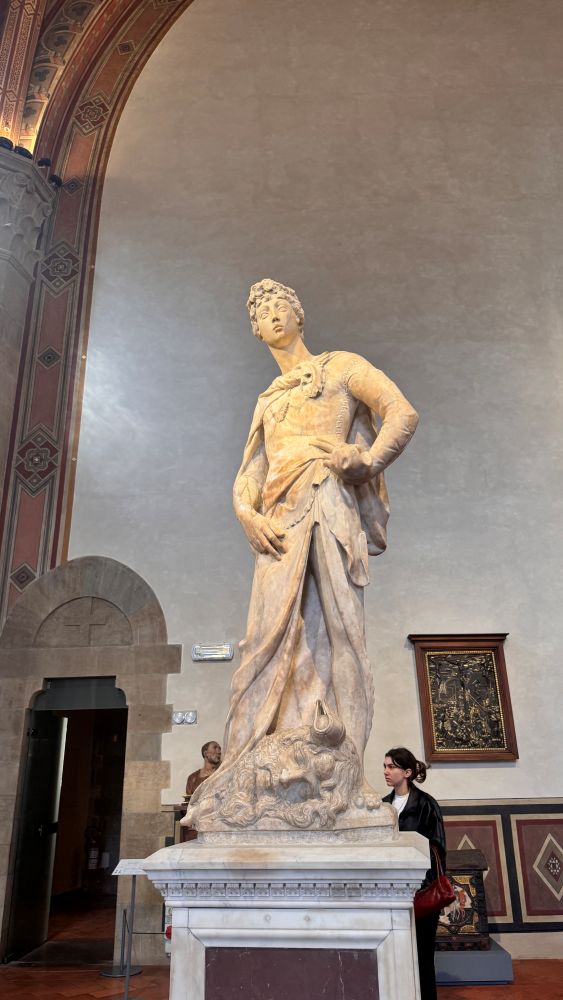
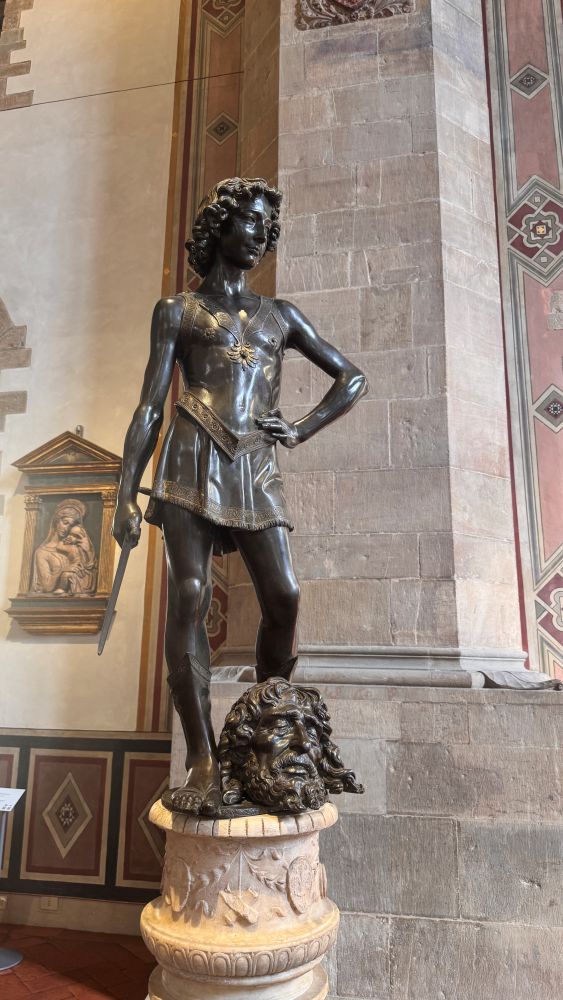
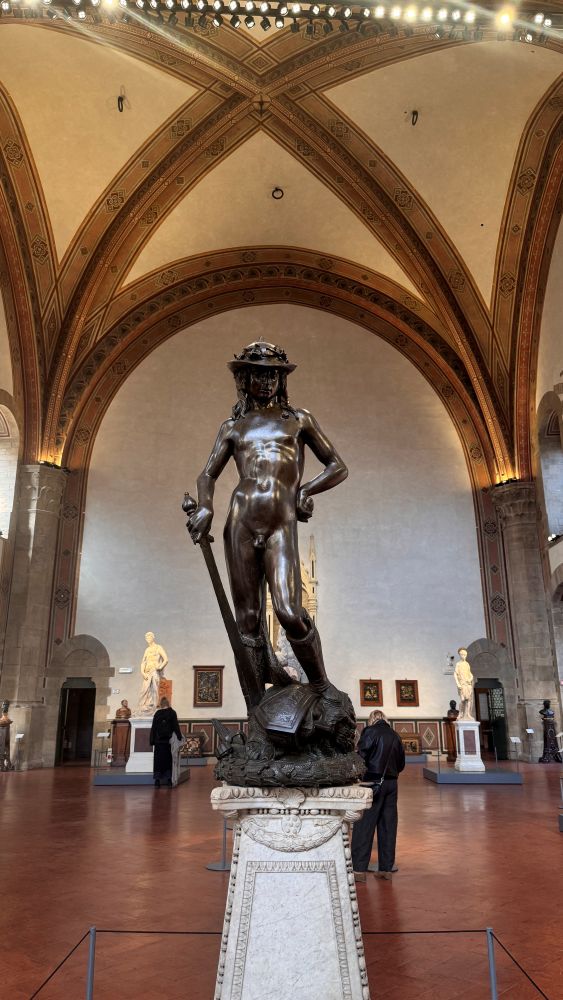
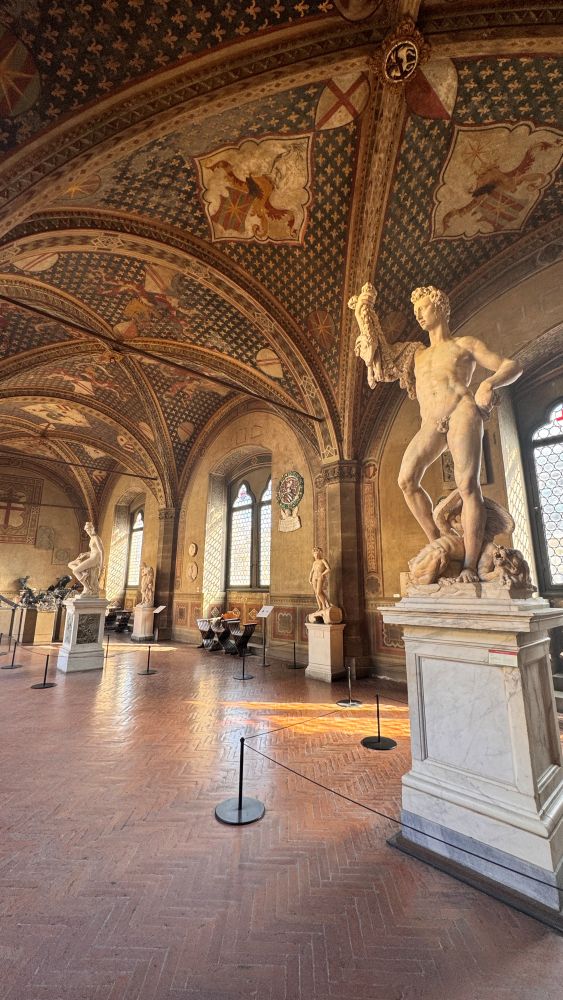
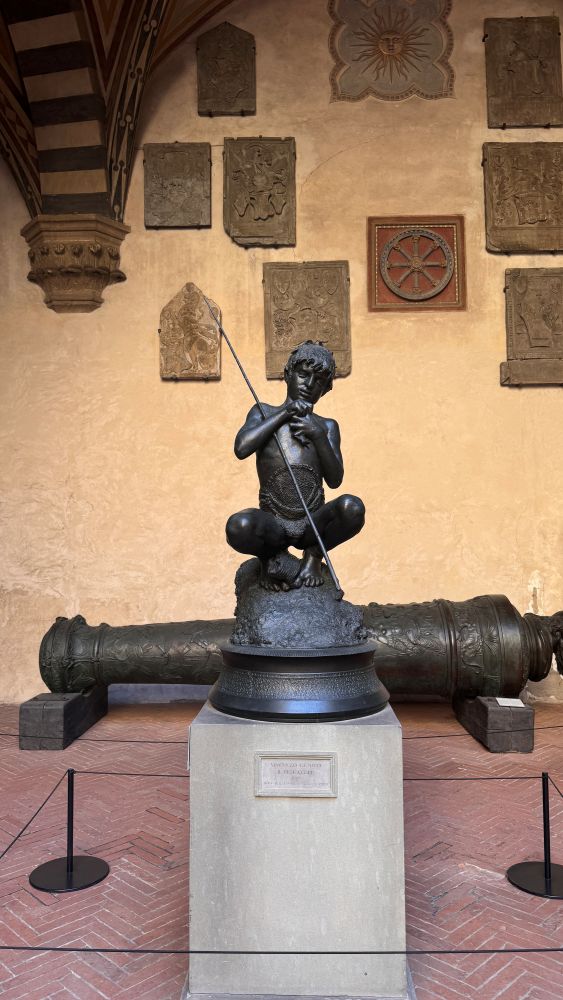
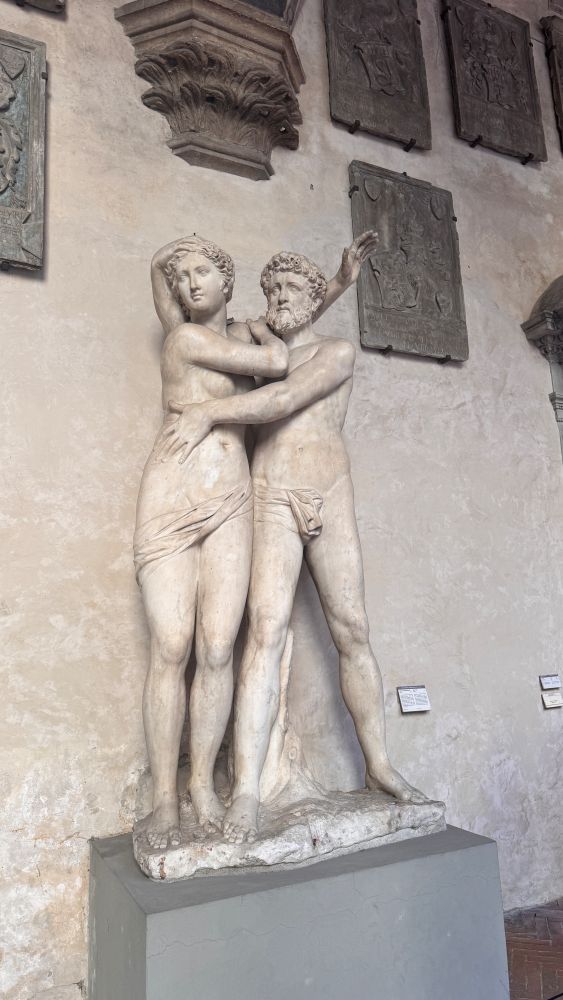
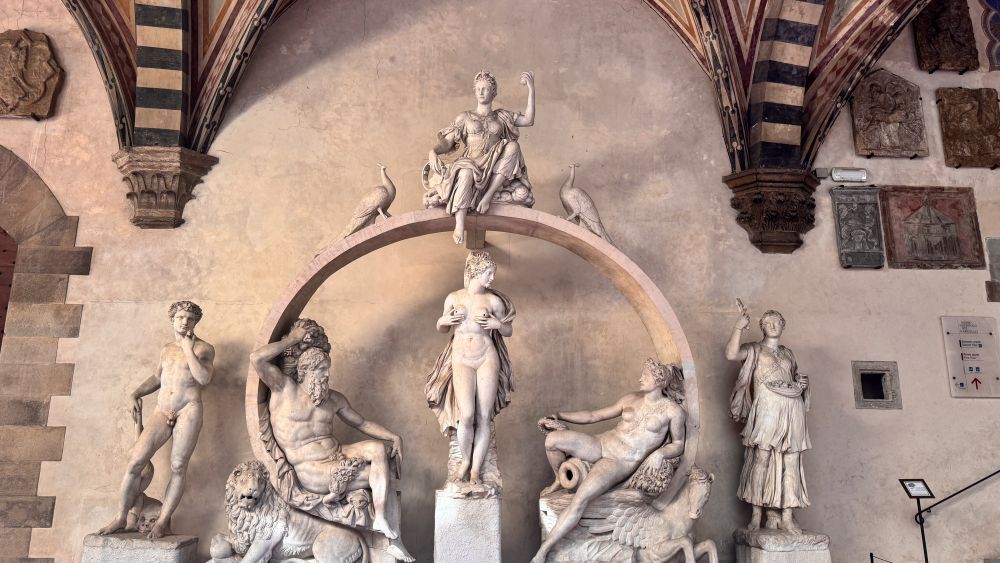
Another group went to the Museo Nazionale del Bargello. Originally built in the 13th century, it once served as the headquarters of Florence’s chief magistrate, as well as a courthouse and prison. Today, it houses an impressive collection of sculptures that provide deep insight into Renaissance art. One of the most memorable pieces the group saw was the bronze David by Donatello.
Overall, our time in Florence was an unforgettable way to end the trip, bringing together everything we had learned throughout the course. From seeing world-famous masterpieces up close to experiencing the city’s architecture and history firsthand, every moment felt meaningful. It was especially rewarding to recognize works and places we had studied and finally understand their true scale and impact. Florence gave us a deeper appreciation for the Renaissance and left us with lasting memories of both the art and the experience of exploring it together.
Until next time,
The Volterra Group