
First Week of Classes
Now that the initial chaos has settled, our group is officially starting to feel at home in Volterra with classes officially underway. The schedule is well balanced, leaving us time to explore the city while also learning about its history, culture, and architecture. It’s a kind of structure that makes every walk feel like part of the lesson.
Our very first class was Design Studio with Tom. He kicked things off by introducing classical architecture, its meaning, significance, and place in time, before opening the discussion to the group. These conversations are helping us understand how Volterra’s cultural and historical influences shape the city’s size, layout, and architectural growth. Studying architecture in a place like this definitely hits differently then reading from a textbook.
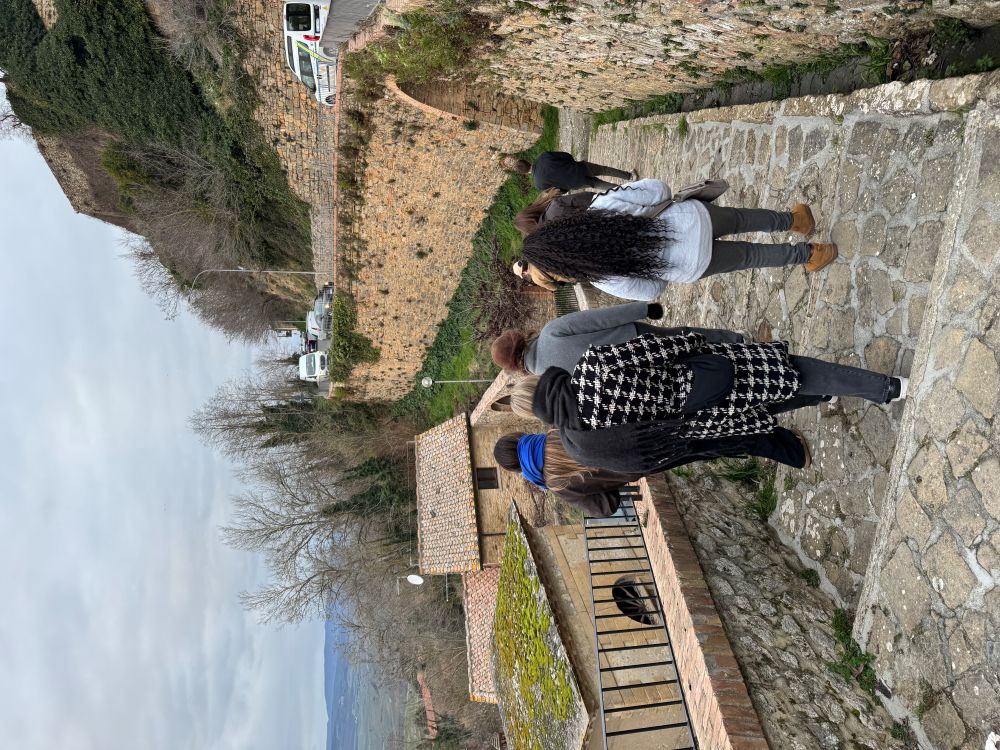
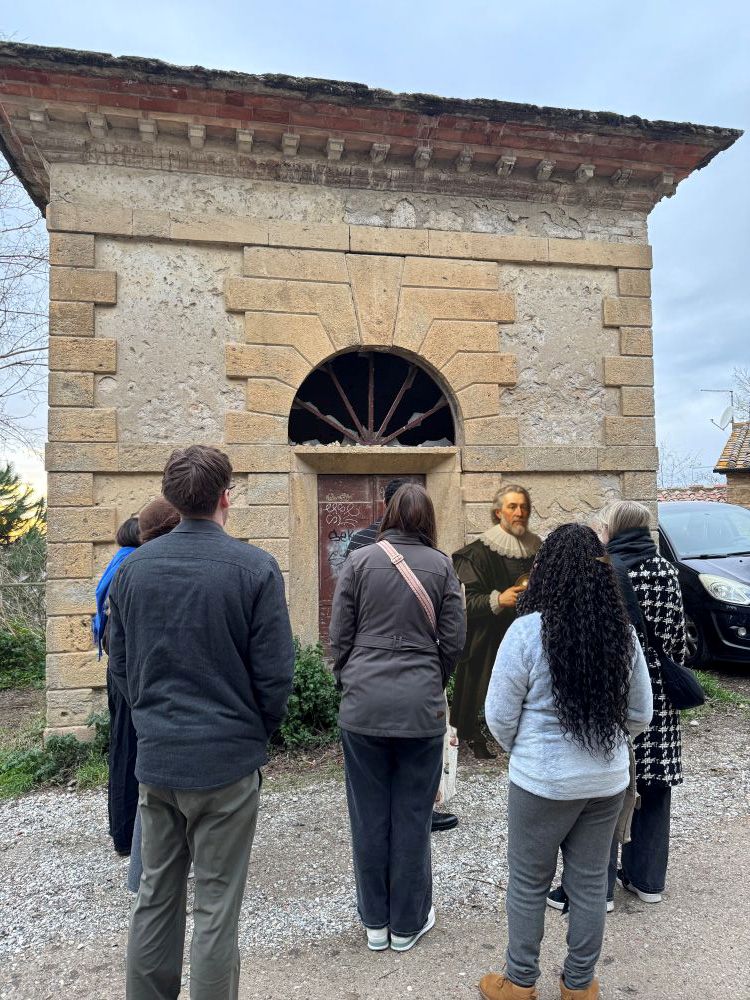
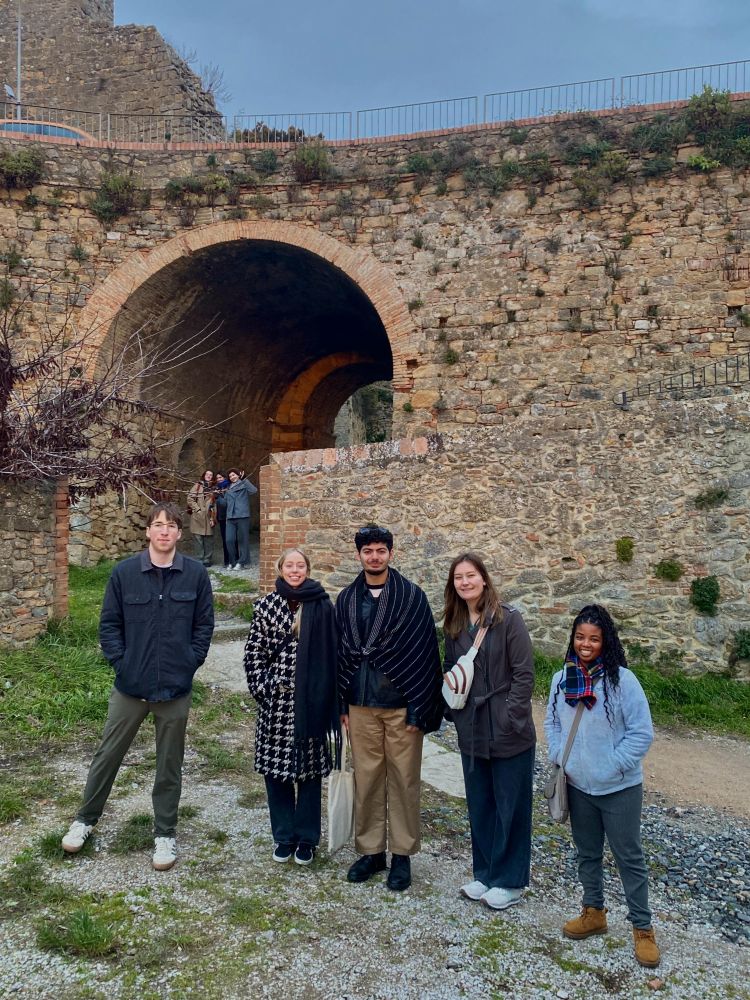
Shortly after, we visited the site for our first studio assignment, an adaptive reuse project. Located along the city wall, the site’s existing building offers stunning views of the surrounding hills and even the sea. Our task is to design an architectural studio that includes workspaces, accommodations for guest designers, and a full bathroom. The focus is on developing a single strong concept and refining it through drawings and renderings. This is the first of many fast-paced, week-long projects meant to sharpen our design thinking, speed up our process, and improve our graphic skills.
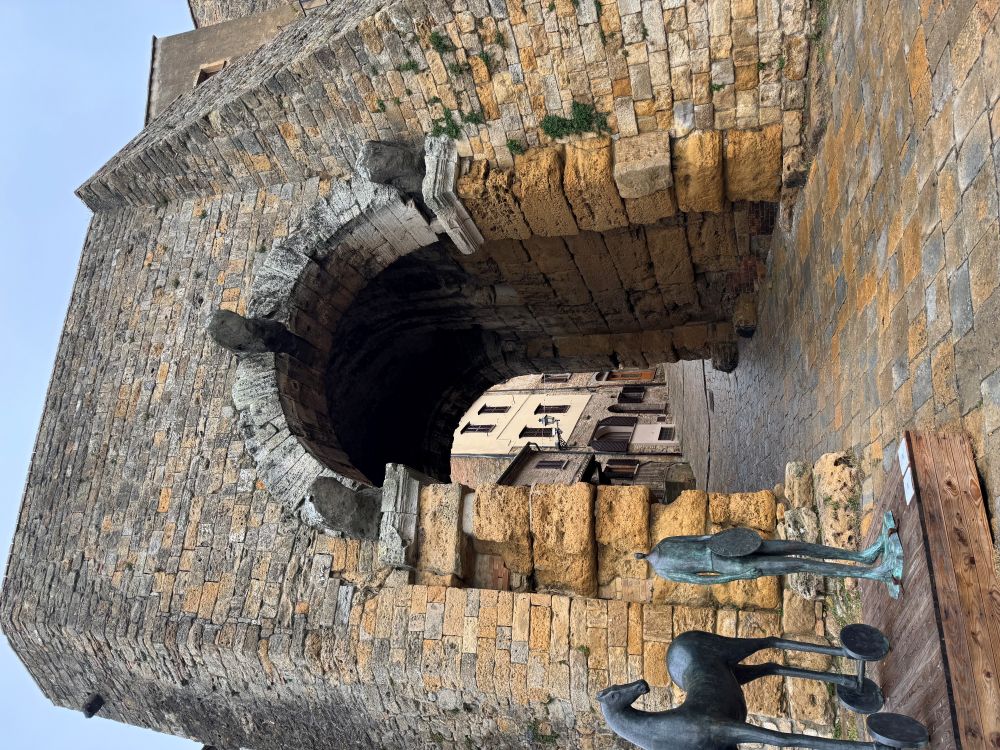
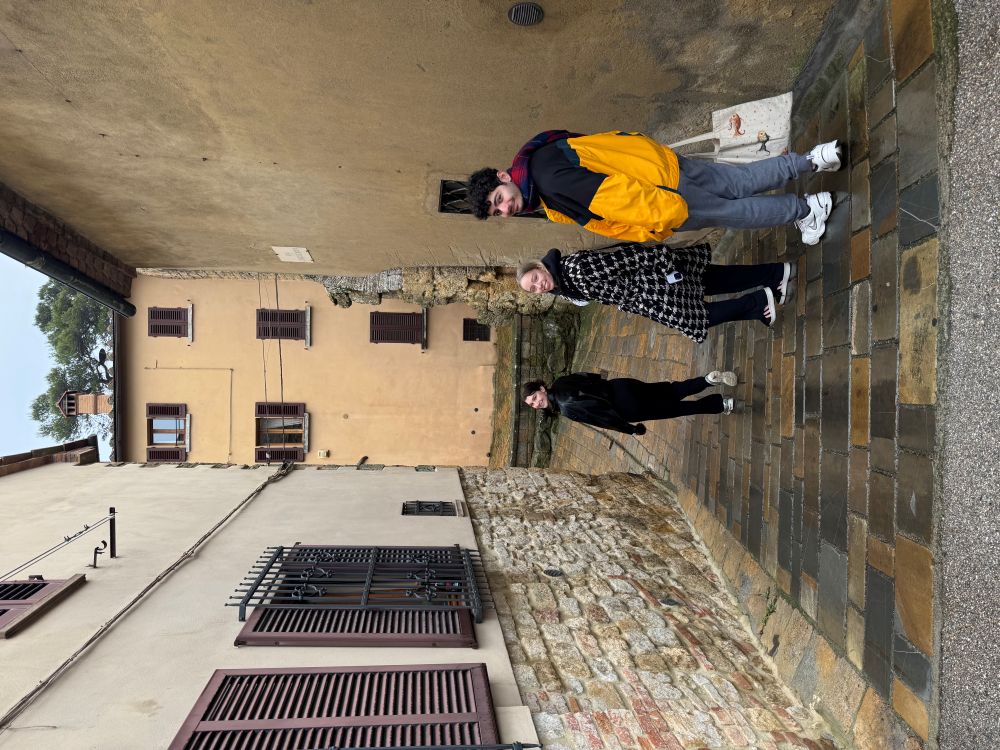
On Tuesday, Giulia gave us an official tour of Volterra, this time with practicality in mind. She showed us the essentials: the laundry, grocery store, and bakery (arguably the most important stop). Along the way, she also shared bits of history about the town squares, chapels, and the origins of Volterra. Simply navigating the city on foot has made us far more confident in finding our way around.
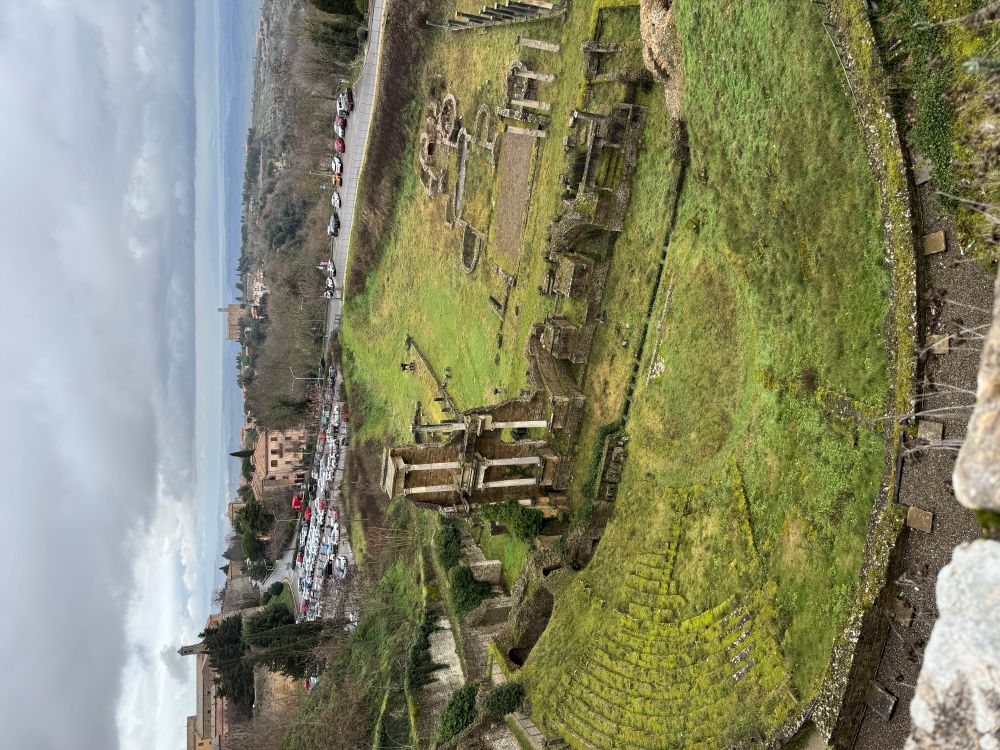
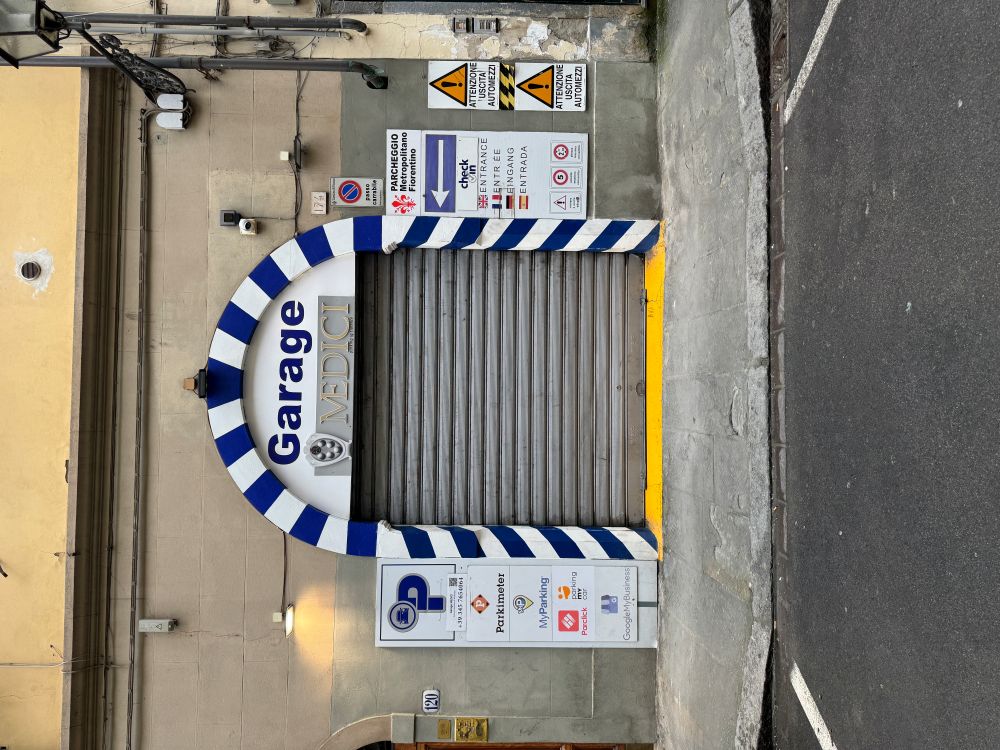
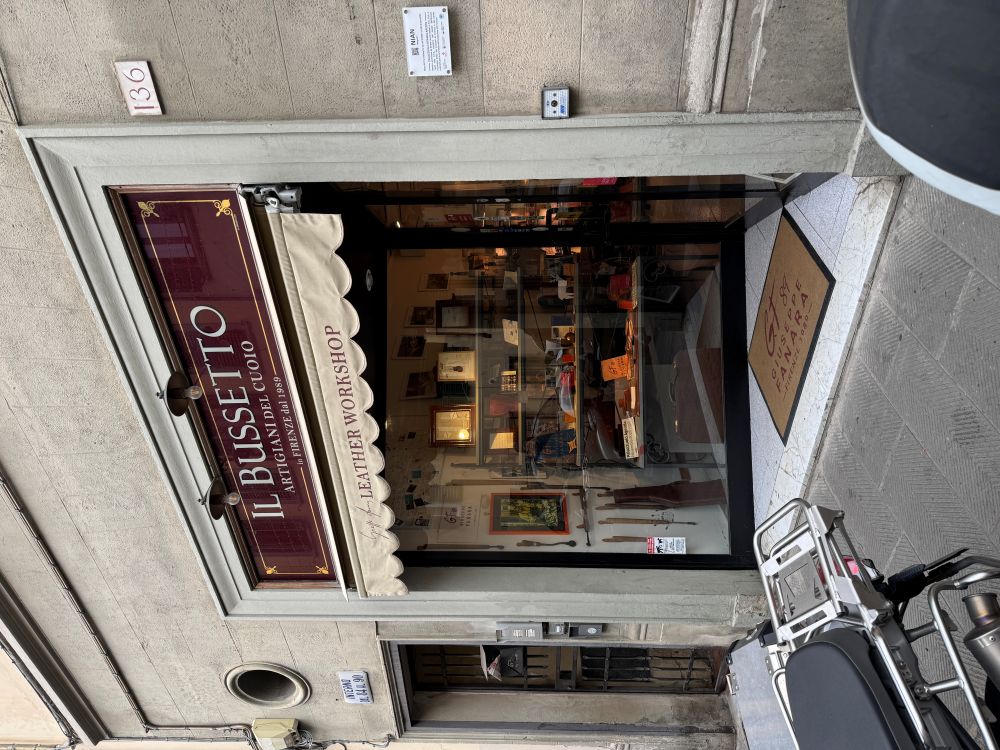
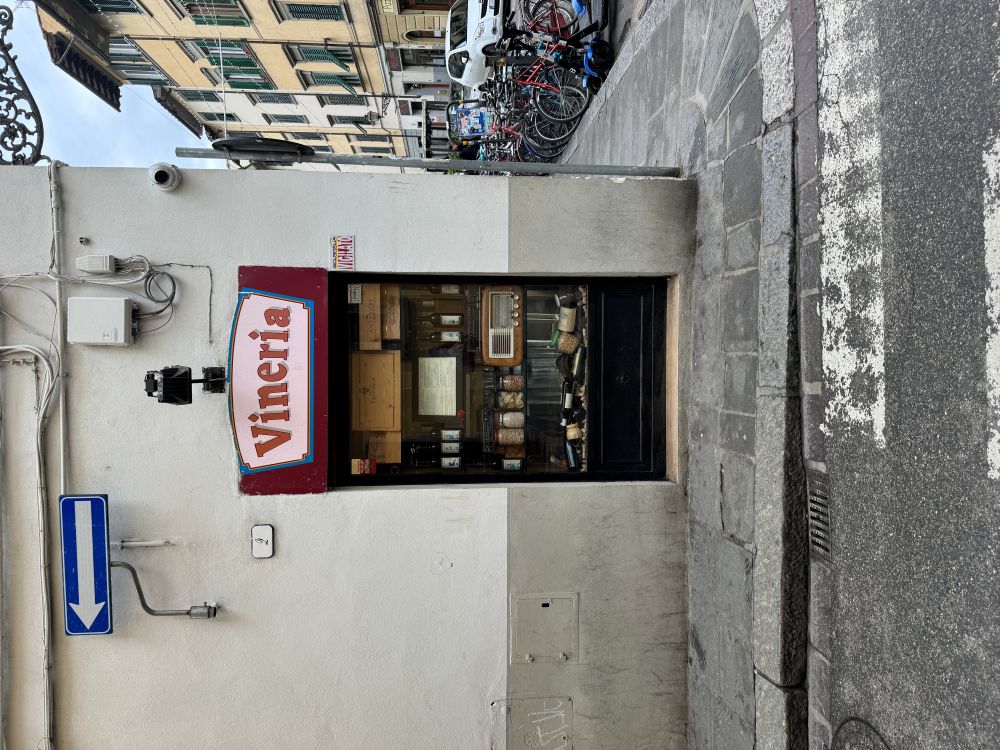
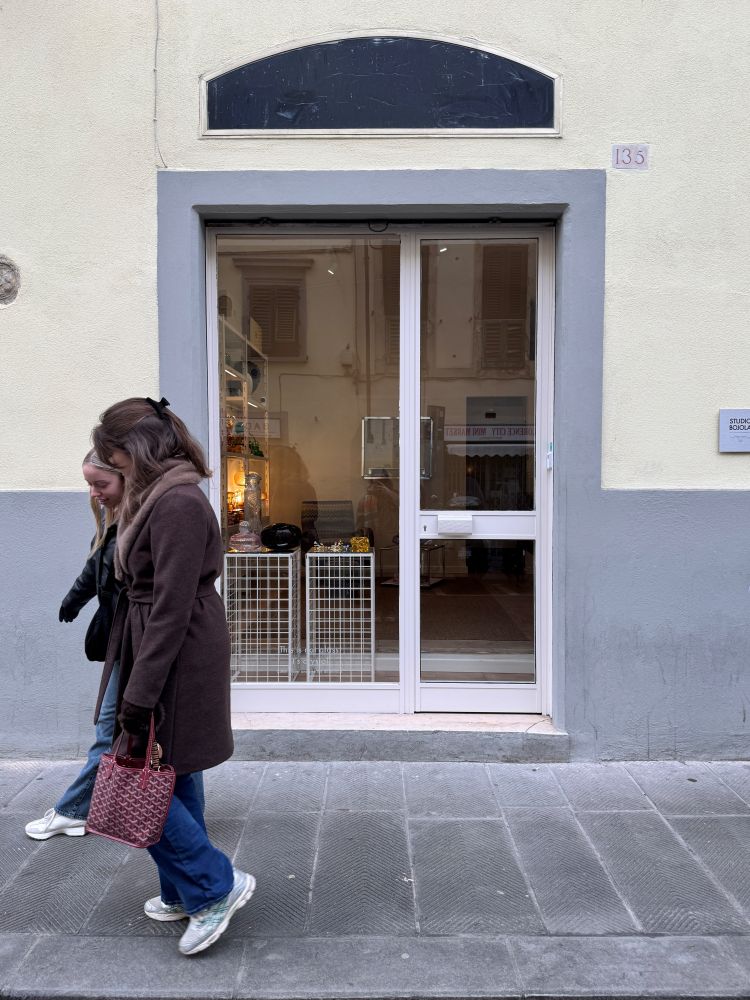
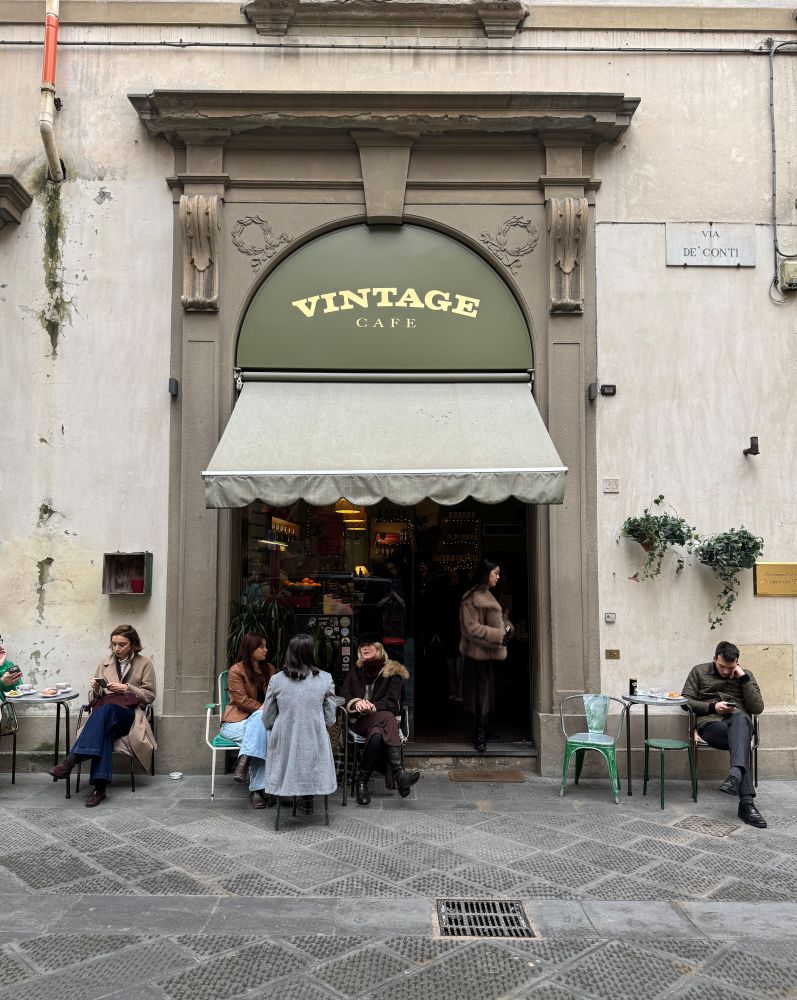
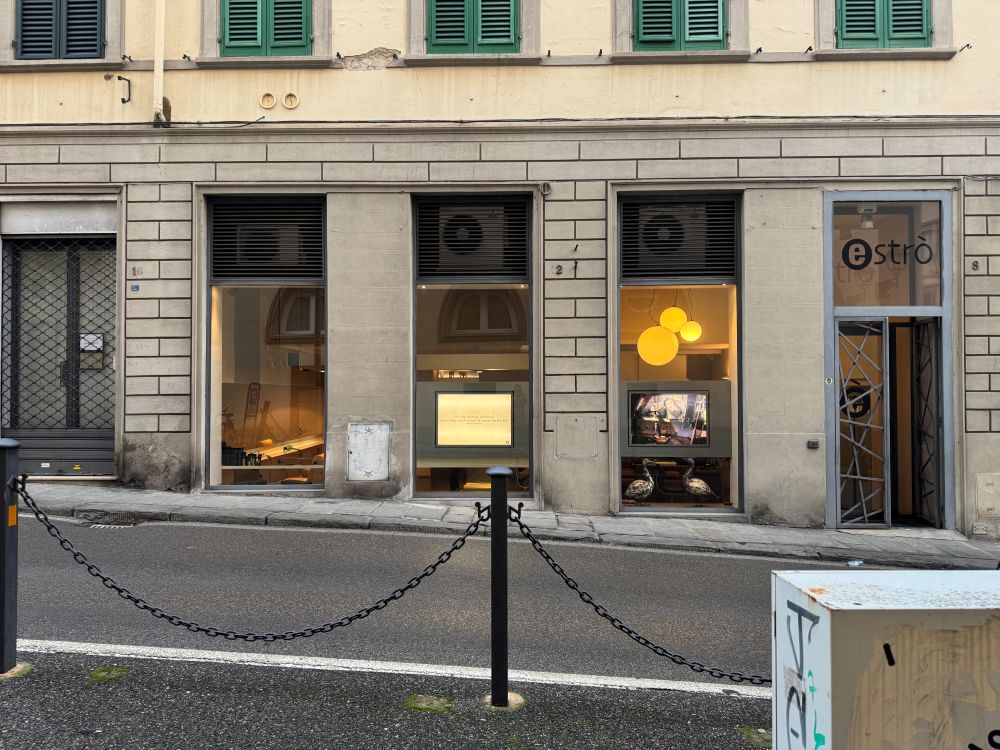
Wednesday brought a day trip back to Florence for studio, where we began preparing for our next assignment. This project focuses on storefronts, as we were tasked with photographing ten examples throughout the city. Between snapping photos and wandering the streets, we immersed ourselves in Florence’s streetscapes, taking in how architecture, scale, and design come together in everyday spaces.
On Thursday, Giulia led another tour focused on the history of alabaster, a craft deeply connected to Volterra. Alabaster carving has been a long-standing tradition here, and although it’s now considered a dying art, it remains culturally significant. After touring many studios all over town, our group got a deeper understanding of the material to assist us in developing our sculptures.
Friday was a full studio workday on our design studio projects. After just one week, it’s already clear that learning here goes far beyond the classroom. Every walk, tour, and assignment adds another layer to our understanding of Volterra. We’re excited to see where the next weeks take us.
Until next time,
The Volterra Group